• Culdcept the First - Xbox Review

    Culdcept the First (also attributed as Culdcept the First Saturn Tribute) is a very fun game, that does show its age. This is basically a re-issue of the 1997 Sega Saturn game that mashes together deckbuilding (think Magic: The Gathering) and boardgames (such as Monopoly).

  • NBA 2K27 - PlayStation 5 Review

    With these annual seasonal renewals of the sports season comes the related video games as well, and the question reviewers such as myself always face is this: Is this year’s game worth purchasing one year after the last one? My answer? Yes, absolutely. NBA fans are going to almost certainly enjoy NBA 2K27.

  • Midnight Moments - PC Steam Review

    Midnight Moments is a cozy cyberpunk diorama-building game that is stunning. Unlike games that require you to complete quests or take out assailants or even solve challenging puzzles, this one only requires one thing: imagination.

  • Isle of Reveries - PC Review

    Isle of Reveries is a top down 2D action adventure game that made my nostalgia for old school Zelda games flare up really hard. A good blending of puzzle, exploration, and combat, Isle of Reveries is a wonderful title to experience inside and out.

  • Outbound - PC Review

    Let me tell you about this cozy game my daughter and I are playing together called Outbound. Now, I've been following this game from the initial Kickstarter back in April 2025 to its full release in May 2026. The best Mother's Day gift for myself and my first ever collector's edition in a physical copy!

  • OVER REQUIEMZ - Nintendo Switch Review

    In OVER REQUIEMZ Yuhiru is thrown into the castle of Oz and is immediately accused of trying to assassinate the King and shoved into the dungeon. Not only is she treated like a criminal...

  • Dread Delusion - Xbox Series X|S Review

    Today we’re looking at what has rapidly become an absolute favorite in the open-world RPG genre for me. An interesting story, memorable NPCs, stunning visuals, and a setting absolutely dripping with flavor, Dread Delusion sets its tone immediately and sticks with it.

  • NHL 27 - PS5 Review

    ...and I have been playing NHL games since. It didn't matter whether it was EA or another game like 2K in the 2000s; I loved hockey games and still do, but is NHL 27 a step in the right direction?

  • Asdivine Knot - PS5 Review

    Asdivine Knot is the latest title in the Kemco JRPG library. Following protagonist Verselio, who's on the run from the church that they once served, he'll be accompanied by an odd selection of party members as they all find a reason to band together…

  • STEINS;GATE RE:BOOT - PC Review

    Our story begins in Akihabra, Tokyo Japan. The protagonist Okarin… Or rather Rintaro Okabe, (Voiced by Mamoru Minyano) is a recent high school graduate who rents an apartment with his best friend and resident computer hacker, Itaru ‘Daru’ Hashida (Voiced by Tomokazu Seki) during the summer of 2010.

Showing posts with label PS4 Review. Show all posts

Might & Magic: Clash of Heroes - Definitive Edition Review

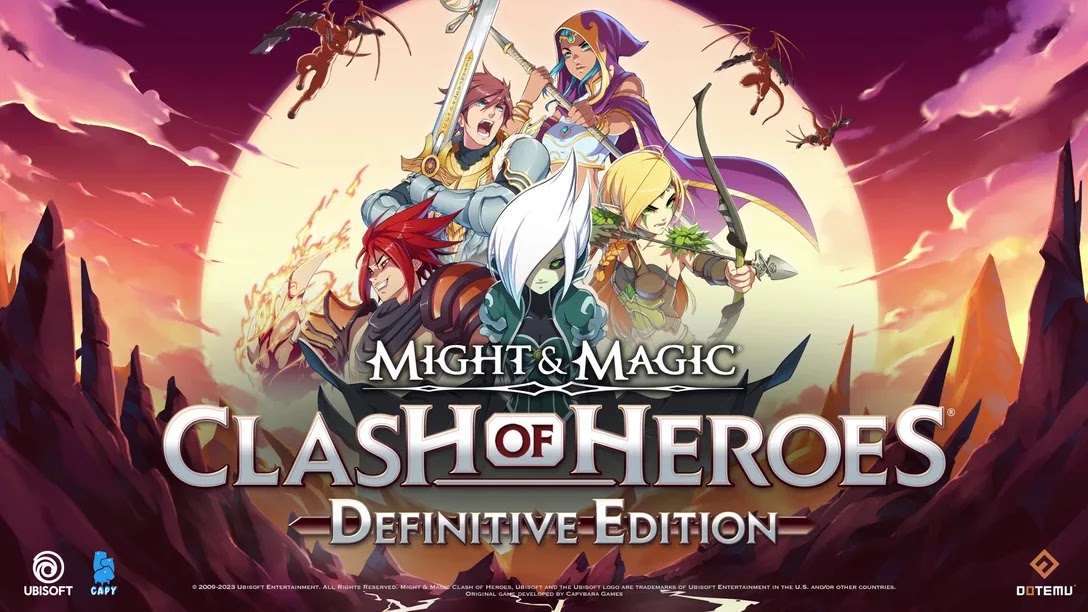
Might & Magic: Clash of Heroes - Definitive Edition by developers Dotemu and Capybara Games and publishers Dotemu and Gamera Games—Sony PlayStation 4 review written by Nick with a copy provided by the publisher.

Estimated reading time: 5 minutes


Might & Magic: Clash of Heroes - Definitive Edition a rerelease of a surprisingly deep match-three style puzzle game that released over a decade ago. This hybrid RPG / puzzle title is every bit as engrossing now as it was then, even if this release doesn’t really do a whole lot to improve upon the original.

I actually reviewed this title back in 2012 when I played it on PlayStation 3, and honestly my opinion of the game was quite high then, and it remains the same today. Now, I haven’t actually touched this game in over a decade. I played it all of the way through, getting all of the trophies back when it first released. I was hooked. However, having taken a decade off from it, I found there were things I still remembered, like how stacking three in a row vertically causes an attack, the basic storyline and types of heroes that make up the game. There were absolutely things I had forgotten too, like how the special units worked and the best way to build defenses (three horizontally).
Now, I love the match / puzzle genre and adding RPG elements just makes it that much more addicting for me - I am still playing Marvel Puzzle Quest nearly a decade after I started, and enjoyed Puzzle Quest both when I first played it on PSP and later on the Switch. For those reasons, Might & Magic: Clash of Heroes - Definitive Edition is really my jam, despite the somewhat generic archetypes and storyline. The game starts simply enough, talking about an artefact of great power and some notable families coming together when an ambush strikes and splits them up, forcing the younger bucks in the families to step up and try to stop the villainy at play. None of it is particularly new, but it sets the table and is all framed up nicely enough with pleasant graphics and music – if somewhat redundant sound effects. The visuals have a nice hand-drawn style to them, though I know it’s a somewhat debated topic in the community as some people feel the original game’s art direction was better. I like both and don’t see it as dramatically different (but better than what was on DS before, which was more pixelated).

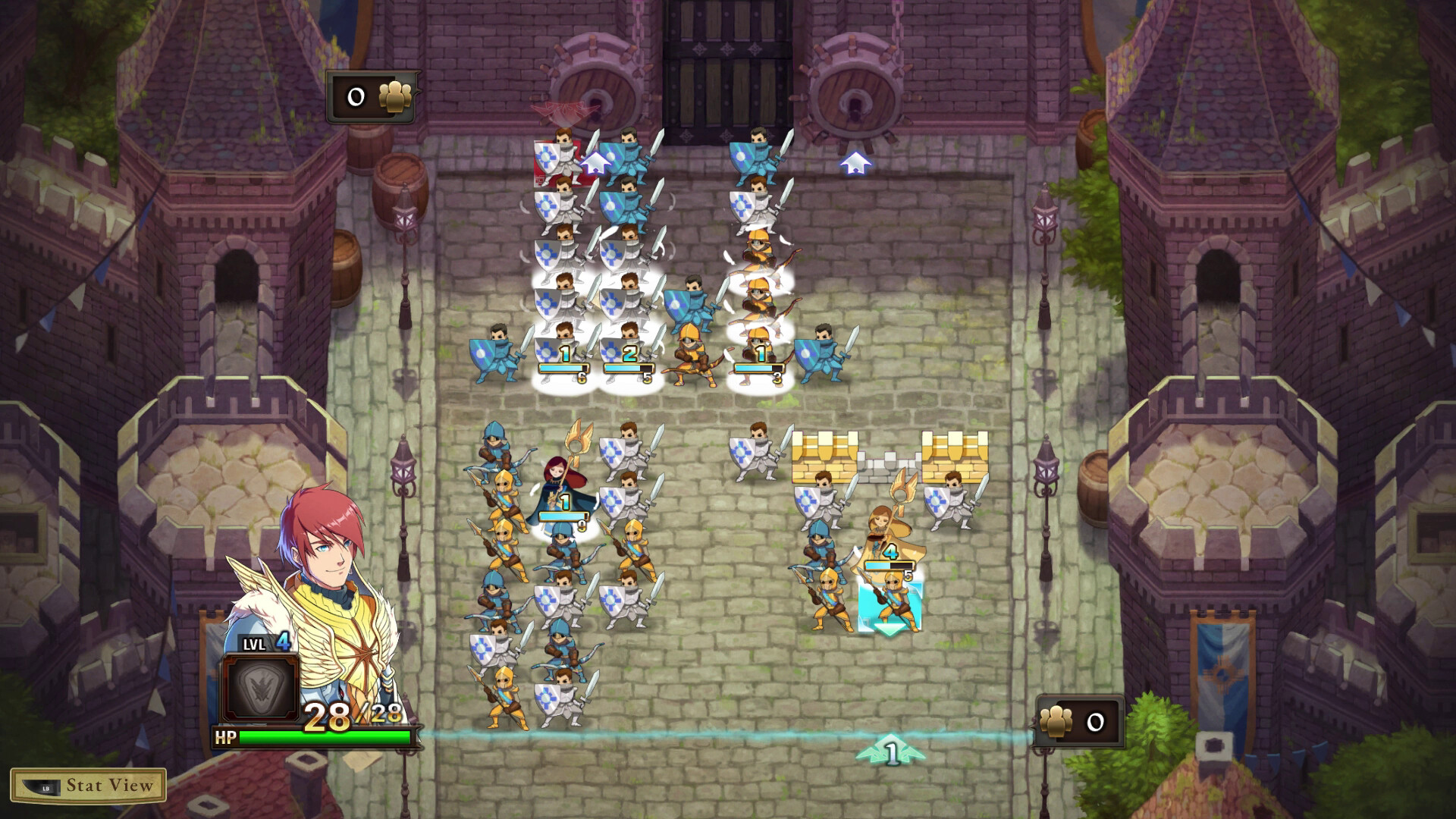
The meat and potatoes here is in the actual gameplay. Match-three doesn’t sound like much initially, but there’s a significant amount of depth in how the game itself plays. Your forces occupy one half of the screen, your opponent is on the other. There are regular units that can be matched three in a row horizontally, which creates a wall at the front of your army. Vertical columns of three creates an attack that launches towards your opponent’s side of the screen. Attacks might hit walls and fizzle out, or strike less resilient units who haven’t formed walls / attacks yet – or they might pass all of the way through and strike the opposing general, chipping away at their hit points.

This as the core foundation of gameplay receives a lot of wrinkles that make it even more engrossing. There are special units like dragons and spellcasters that can do massive amounts of damage, but are expensive to purchase and often require more matches and longer waits before their attacks fire. You can drop four green archers behind a green dragon and unleash a very powerful two column attack… but doing this could take five or six rounds to complete. In that time, your opponent might go with a weaker but faster couple of units who kill your dragon if it’s not properly protected. On top of that there are spells, equipment items and levels that can be acquired that raise character stats and attempt to tilt the balance in your favor.

There is a lot of creativity (and challenge) baked into other aspects of the game. What I described is the typical fight. But there’s often stages where you win by completing a specific objective, such as hitting the two soldiers moving back and forth with a massive saw as they attempt to cut a tree down. You need to hit them to win, not the empty space behind them to weaken a general. Boss fights are challenging – sometimes even frustrating. They have massive attacks and often move around on the screen, forcing you to change your presumptions and often forcing you to pivot from your usual tactics.
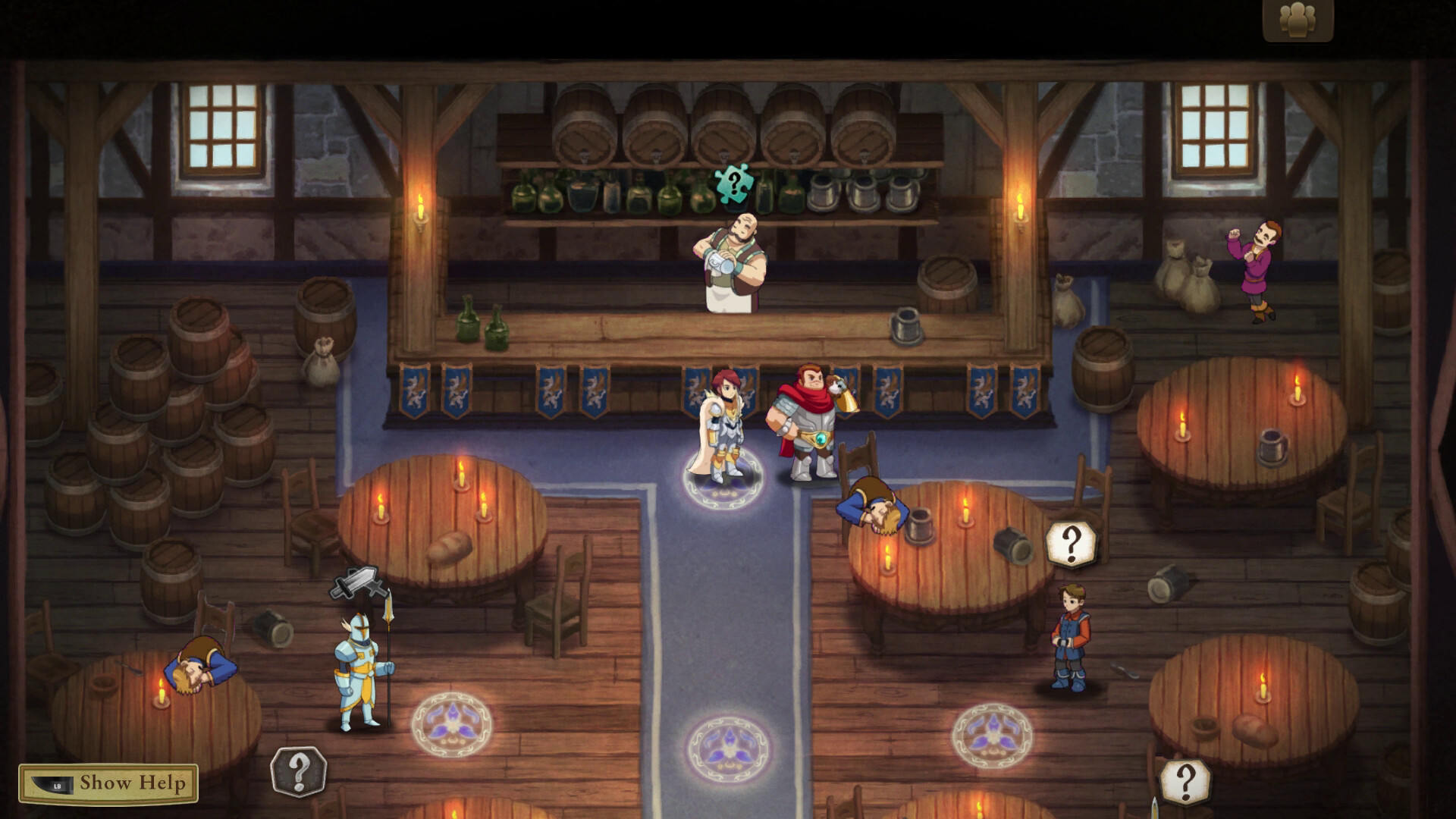
This single player campaign is pretty meaty to begin with, but there are several cool multiplayer options available for those who want to try their hand at taking on another sentient player with an even playing field. This is nice as the original game’s online modes have been disabled for some time now. Admittedly, some of these are more fun than others in my mind (I am not a fan of the 2 vs 2 mode). Another nicety (as the ‘Definitive Edition’ denotes), all of the earlier DLC is included here as well.

The RPG elements in Might & Magic: Clash of Heroes - Definitive Edition are not incredibly deep, but there are enough progression elements to keep things interesting, even if the story itself doesn’t do a whole lot of the heavy lifting on that front. The deep, strategic puzzle gameplay is the real star of the show, and despite some rough moments where the difficulty spiked suddenly, I greatly enjoyed experiencing this title all over again.

Score: 8 / 10

Share:

Akiba’s Trip: Hellbound & Debriefed - PS4 Review


Akiba’s Trip: Hellbound & Debriefed by developer Acquire Corp. and publishers Marvelous and XSEED Games—PlayStation 4 review written by Pierre-Yves with a copy provided by the publisher.

Estimated reading time: 5 minutes


Akihabara, Akiba for short, is considered by many to be the centre of modern Japanese popular culture and a major shopping district for video games, anime, manga, electronics and computer-related goods. Icons from popular anime and manga are displayed prominently on the shops in the area, and numerous maid cafés and some arcades are found throughout the district (Wikipedia). So with all of that as a potential setting for vampires, otakus, cross dressing and stripping techniques, good luck explaining what you're playing to a normal person!

I want to start this off by mentioning that both me and Richard had no idea that "this" title even existed. I own the sequel that we thought was the first Akiba's Trip, Undead and Undressed for the PS3, PS4 and the Vita as well as Akiba's Beat, but Hellbound & Debriefed? It only clued in that this was not new content about fifteen minutes in as I wasn't seeing the same elements that I expected to find.

So with that, I had a little bit of a dilemma while trying to figure out exactly how to review this original entry into the series. Originally released solely in Japan for the Sony PSP this is the first time that it's seeing a localization but as it's coming after its sequel, and years after that mind you, there constantly felt like there were elements lacking BUT, knowing that it came first and that it was going to be the first, seeing the roadmap and having a better idea of how the elements of the sequel came to be was interesting.

So the big question. Worth playing? Yes but more for the novelty than anything else. The reason for this is that if you've played the sequel, one, twice, three times depending on the platform and PSNow, you've essentially played what will feel like a less complete version of Undead and Undressed. Where things may be interesting is that while it is the first title and while it may feel like the same story, there are a few small interesting spins on the content which were nice to experience.

Breaking into the nitty gritty though, Akiba's Trip, probably better known and pronounced as Akiba Strip, is the story about quasi vampires invading Akihabara and the only thing truly standing between the humans and their demise, is you. An Otaku of varying amounts depending on your dialog choices, you'll soon be leveling up as you learn a few moves to help you brawl your way through the back streets all while removing the clothes off anyone that gets in your way.

So due to the quasi nature of these vampires, and you now finding yourself as one, you can like Marvel's Blade walk out in the sun as long as you've covered up. Lose your clothes and you die as the light of the sun will burn you alive. Applying to your enemies just as much, you'll have to learn your high, medium and low attack patterns to be able to either shred the clothes off of your opponent or be able to move easily, pull it off and potentially use it yourself.

There's no avoiding it, glossing over it, or even hiding behind something else against it, it's ridiculous. It's also not really something most people will want to play around other people as you are stripping them down to their underwear so generally playing in the living room is out depending on the household composition. It's not "bad" per say and there's no real gratuity, but you are tearing the clothes off of other people while running around Akiba so you may just want to pay attention to who's around or where your TV is pointing. Unless you want to traumatize your neighbors!

Mechanically, Hellbound & Debriefed does feel a bit clunky at times when you're trying to move around or shift to better attack your opponents. Launching attacks to grab can also just not work or work when you want them too as they are all mapped to your actual attack buttons and often you'll find yourself swinging a punch instead of launching a grab. After the sequel, there's also the issue with trying to pick fights with some people that you are never told that if you haven't bought the manual on how to strip them down, because who doesn't like a classy suit? You need to buy a book first!

Graphically though, it's made a decent tradition over to the PS4. The text is easily to read, the type of models are easy to distinguish, but following on the clunkymess are that the menu interfaces that don't allow you to either change clothes or save while in a map. They have to be done on the world map but there's never a prompt to tell you this so that took a while to figure out as my "closet" was only getting bigger. It's a bit of a pain down the line as you would like to be able to more easily swap out, sell, or upgrade certain prices while doing away with others without having to go back to the main map.

Summary

So overall, Akiba's Trip: Hellbound & Debriefed is going to most likely find itself as more of a novelty experience than one that draws new fans to the series being the precursor to Akiba's Trip: Undead and Undressed. It's not a bad brawler or beat 'em up, but it does show its age in its mechanics especially when compared to its sequel that we've had our hands on for much longer.

Score: 6 / 10


Share:

Warhammer Age of Sigmar: Storm Ground - PS4 Review


Warhammer Age of Sigmar: Storm Ground
by developer Gasket Games and publisher Focus Home Interactive Sony PlayStation 4 review written by Robert.

Estimated reading time: 7 minutes


Warhammer Age of Sigmar: Storm Ground is the latest release of tactical titles licensed by Games Workshop and focuses on the grimdark fantasy setting, Age of Sigmar and is a step away from the more common 40k universe. With three separate campaigns where you lead the Stormcast Eternals, the Nighthaunt, and the Maggotkin, Storm Ground offers 25 to 30 hours of grind through small battlemaps with outrageously over-the-top voice acting, poor optimization, and a boring slog at times. Though interesting on paper, in practice it’s clear that Storm Ground needed more time for Gasket Games to work on pacing and balance and bug-squashing. Though an interesting setting and graphically attractive, Warhammer Age of Sigmar: Storm Ground isn’t without its share of problems, many of which completely overshadow some of its more interesting mechanics. As of the time of this article’s writing, Warhammer Age of Sigmar: Storm Ground is available on PC, Nintendo Switch, PlayStation 4, and Xbox One.

It is no secret that I am quite critical of the Warhammer franchise- for a setting that is so rich with lore, full of mechanics that would fit so well within the video game universe, the titles released in the last 30 years have almost unilaterally been sub-par at best, with only a few standout titles. Storm Ground joins that massive pantheon within the franchise’s video game offerings and true to form, is a bland and uninspired turn-based tactical roguelite that becomes more and more frustrating as you run into repetitive, simple environments, a horrific grind-wall, and an unabalanced AI. Where there could have been great potential as a multi-dimensional chess game, instead we’re served with a method of gameplay that feels more like Gasket Games was simply adding obstacles for the sake of obstacles rather than for any real gameplay or narrative purposes.

The first few hours of each individual campaign feel truly unique between each faction, but as each campaign wears on, nearly every aspect of its tactical gameplay begins to feel reused and uninspired, and if you couple that with bugs that would ultimately see the PlayStation 4 crashing to desktop, AI simply stuck during their turns (where on their turn they simply refuse to move or take an action, resulting in having to close the game then reopen and replay the level), or it’s poor performance on last gen’s hardware. On my PlayStation 4 Pro, which is connected to a 4k television, I found that panning the camera, most of the attack animations in both the Stormcast Eternals and Maggotkin races, and the death animations caused regular frame drops (with panning being closer to 20 FPS, so movement was choppy and unpleasant), odd sound bugs, and the occasional lock-up. However, if you’re one of the lucky few that managed to snag themselves a PlayStation 5, you will see smoother performance throughout. (Editor's Note: Can confirm)

Beyond the poor optimization and plethora of bugs, Storm Ground’s biggest failings fall in line with the absolutely ridiculous voice acting, shallow story, and lack of respect for player time and strategy. Once you’re about three or four missions in, the voice acting begins to feel like one of those over-the-top children’s shows that were churned out in the late 90s, early 00s by the likes of Disney and Nickelodeon- some players may enjoy it, but for me it wrenched me out of the grimdark atmosphere that is lazily created with small, uninspired battlemaps, and had me thinking to myself, “Is this parody?” However, if you’re viewing the various Lore Cards, the narration is extremely well done- the hokiest voice acting was almost unilaterally found in the small tidbits of conversation made by characters while on a mission. I was quite impressed with the narration made between missions on these lore cards (which will expand on the universe and in-game plot points) were some of the best I’ve experienced since the original Mass Effect’s narration of the Codex and is very well done. Add to it the sweeping scores in the soundtrack that all have this dark yet fantastical appeal, and there are some real memorable elements throughout the campaign- I for one would like to see a soundtrack released (possibly even on vinyl!), as I can see myself painting untold amounts of Warhammer minis to the rich music found in Storm Ground.

Warhammer Age of Sigmar: Storm Ground isn’t all bad, though- far from it if viewed from the right frame of mind. While it may be a shallow slog of an experience, Storm Ground has plenty here that lay the foundation and framework for a potentially great game. Each faction feels uniquely different, from the hard-hitting Stormcast Eternals to the speedy swarms of the Nighthaunt to the corrupting presence of the Maggotkin, each offered their own unique feeling to the game. If Gasket Games spends the next few months improving on Storm Grounds’ AI, balancing out each of the factions’ unique traits, and offering more variety in battlemaps, the Warhammer Age of Sigmar: Storm Ground could be an excellent title- as it stands, it’s one that simply exists; not inherently bad, nor overwhelmingly good- if anything, the verdict would stand closer to “a title with great potential that trips over itself throughout.”

While I am not much one for roguelike/roguelite titles, there is just enough character to the way Gasket Games melded the turn-based tactical gameplay with roguelite elements that it sits squarely in between titles like X-Com and Hades and if you think about it, is a style of gameplay that could work out incredibly well, especially with factions as unique as those found in Storm Ground, and the exceptionally lore-rich universe of Age of Sigmar- it’s just a shame that many missions simply feel repetitive and that they are brutally difficult (or annoying) just for the sake of killing the player with no real benefit. Character progression and squad makeup are important, but to gain access to skills, new units, and equipment to help buff your team or debuff the enemy, you will spend hours playing the same missions over and over again in the hopes that you can land some decent loot; unfortunately that’s not always the case. With Storm Ground it feels like the grind is there simply to elongate a player’s time in game without any true benefit to the overall experience; sure, the purpose of the grind is to get better loot, but decent drops feel too far in between, and that it’s simply there to punish the player.

Warhammer Age of Sigmar: Storm Ground is another Warhammer title that sits firmly in the “almost there, but not quite” camp that many recent Warhammer titles fall into- so much wasted potential and after another year or two, assuming the developers continue to support the game, and we may see Storm Ground as one of the better tactical experiences in the Warhammer pantheon. As it stands, the best way to explain it is, “it just exists.” It isn’t inherently bad like some previous Warhammer titles, but nor is it as rich and in-depth as some of the better games in the Games Workshop umbrella.

Summary

With a little time and a lot of patience, plus a heap of optimization by the developers, Warhammer Age of Sigmar: Storm Ground’s blend of turn-based tactical gameplay and lite rogue-like elements could easily join the cast of greats- with its stellar music, unique and well-designed playable races, and lore-rich setting, Storm Ground falls just short of that trifecta of excellence found in more prominent Warhammer titles. With hope, we will see updates in the near future to help smooth out the experience, but as it stands at the time of this writing, Storm Ground can be bland at best and perfectly skippable at worst.

Score: 6.5 / 10


Share:

Hentai vs Evil - PS4 Review


Hentai vs Evil by developer Axyos Games and publisher EastAsiaSoft Sony PlayStation 4 review written by Richard.

Estimated reading time: 3 minutes


Oh boy, it's time for one of those titles. The ones I've always joked about, but never thought I'd ever actually play. That's right, it's time to review “Hentai vs Evil”.

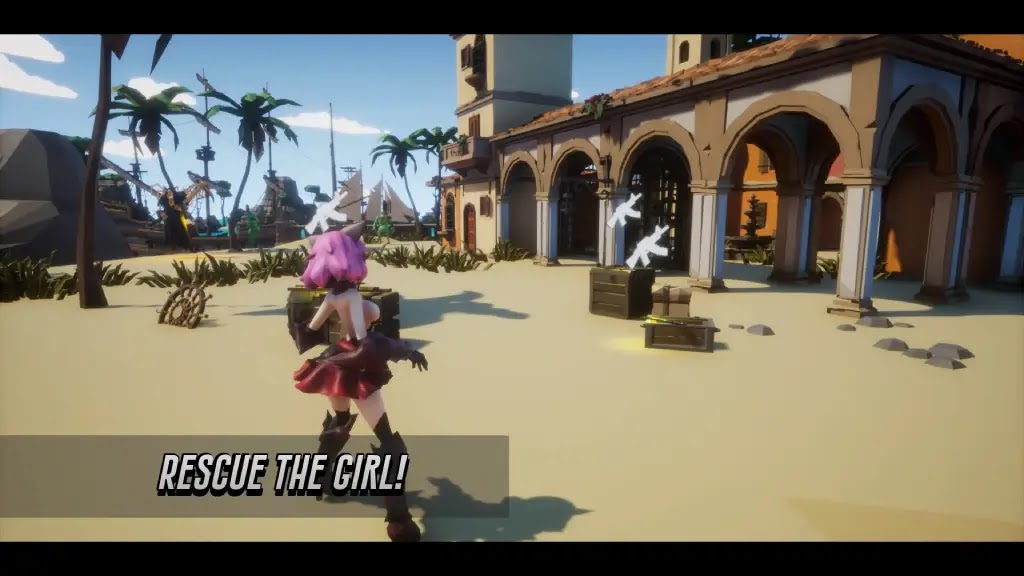
Let me start off by letting you know that there is no real plot. From what I can tell, there's been a zombie apocalypse instigated by grim reapers, with orcs thrown in. They've kidnapped abnormally busty girls for...reasons, I suppose? There's only three maps and two gameplay modes, neither of which have any story, so I'm just taking a guess. Hentai vs Evil is a third person shooter that...works, I suppose you could say. You have two game modes: rescue and survival. In rescue, you need to kill 12, or more, reapers and get to the cage holding a girl captive. The first two times you do this you unlock new characters. For survival mode, you see how long you can survive against waves of enemies.

Hentai vs Evil plays pretty simple. You pick up a gun at the beginning of a round, you shoot, you reload with your infinite ammo, you run, you...sort of jump, and you “aim”. I won't lie, the game is super simple, super easy, and isn't a whole lot of content. There are only three stages, combat is basic, and there isn't too much to it. I had the platinum for this game in about thirty minutes of game play. The aim function is basically pointless, as you don't really even aim any different. There's, like, a 5% zoom rate and that's it.

The jump is also just for fanservice really, as you get no height, it looks dumb, and all it really does is allow you to look up the skirt. The enemies are fairly squishy, with the zombies going down in a few shots, the orcs in about half an assault rifle clip, and the reapers in about a full clip or two, depending on headshots. There are also two possible temporary upgrades you can get by shooting these floating ammo crates in the sky. One upgrade basically turns all your shots into one-hit kills, and the other adds a burn effect to your shots.

There are a number of issues I found while playing, including a lot of instances of enemies clipping through, well, everything. Walls, other enemies, the floor. Lots of excitement. Also, the enemies seem to basically infinitely spawn, especially when you aren't looking. Or when you are. I literally ran into a three man group of spawning reapers. It was a little dumb. Two pro tips by the way: you can't swim, and shot distance is really far. If you get shin deep in water, you're dead. And you can fire really far, often to your detriment as you may nick a few enemies in the back, and then they'll start chasing you down. Also, reloading is a bit of a nuisance. While you can hold down fire to continuously fire, if you reload, then you can't keep holding fire, which is a bit of a nuisance.

In terms of graphics and music, there isn't too much to say. There's a lot of character customization, mostly boob and thigh size, but also clothes and other options. The music is pretty much just the one track, which is fine really since the game is so basic.

Summary

Overall, Hentai vs Evil was better than I was expecting. It definitely wasn't good, but it certainly wasn't as bad as I was expecting it to be. On the plus side, it's also pretty dang cheap. The game has a lot of room for improvement, but it isn't broken or unplayable. If you can stand the potential embarrassment of having this title in your library, you may as well take a look at it!

Score: 6.0 / 10


Share:

Necromunda: Hired Gun - PS4 Review


Necromunda: Hired Gun by developer Streum On Studio and publisher Focus Home Interactive—Sony PlayStation 4 review written by Pierre-Yves with a copy provided by the publisher.

Estimated reading time: 6 minutes


Making a return to a world is always an interesting one especially when the manner that you get to see it changes. Coming from Streum On Studio and Focus Home Interactive, the return to this hive world in the Warhammer 40K universe is going to be a lot faster paced and a lot more brutal as you continually modify yourself to tackle tougher challenges than previously thought possible. Welcome back to Necromunda: Hired Gun.

Unlike Rogue Factor’s turned-based tactics Necromunda: Underhive Wars, Streum On Studio’s Hired Gun is a fast paced first person shooter more in the vein of DOOM (2016) with some Prince of Persia Sands of Time goodness thrown into the mix for parkouring. Generally with no real time to think it through, moving around and shooting at anything else that moves is generally the only real way to survive. While generally not my style of shooter as I would much prefer to take time and aim or dive behind cover and then check out my surroundings, there’s plenty in Hired Gun that exists to get you into the action quickly and I found myself rather invested for a time.

There are a lot of ideas that Hired Gun uses that make for a good time however the overall execution at times can be a bit frustrating until you piece it all together. For the main gameplay, out the field on main or secondary missions, you’ll be running, jumping, latching onto ledges, running around walls and using a grappling hook to reach some rather out of reach locations. While doing all of this, you’ll be firing off automatic weapons, pistols, shotguns, laser sniper rifles and throwing grenades all while getting up close and personal if that’s easier than waiting a fair amount of bullets on an enemy if you don’t need to with melee attacks.

All of that works really well though even playing on a PlayStation 5 there were many moments that the frame rates would stutter as there were too many things on screen making me wonder how a standard PlayStation 4 or PlayStation 4 Pro would be handling this. It’s nothing game breaking but in some cases it could be the difference between having only one or two of your current enemies left standing and having four to five still trying to gun you down. On this subject though, Hired Gun has what I would consider a great system that has been put into place which keeps the action set to high. It’s called the Sanguin system.

As your merc takes a hit for a limited time any damage that you do to an enemy will come back to you as health. Close to death? This could keep you going for quite some time. If there’s no one close and you’re also out of shields, there are healing packs that can be bought or picked up however I wonder at the design choice as they were mapped to R3 instead of something like “O” meaning I often ended up healing myself instead of pulling off a melee attack on an incoming enemy. Finally, with all of the running and gunning you have access to the goodest of boys in the form of a cyber mastiff that will highlight all of your enemies and help you out for a limited time once their cooldown has reached zero. This pooch is seriously one of the best parts of your arsenal because unlike your ammo count, you can always count on him.

Where things get a bit iffy during combat though is when you’re trying to actually aim while running around and then reload. Even if you’re holding the aim button, after the reload action you’ll no longer be staring down your site or your scope but instead be returned to a normal view and then have to let go of the aim button and press it down again. With weapons that come with blazing fast firing rates, it was almost not even worth it at times but if you’re running across walls like a ninja, I guess you shouldn’t be looking down the sight of your weapon but what do I know? I’m not a cybernetically enhanced hired gun!

Once you’re out of battle and into what acts as your hub between missions you’ll be able to buy and sell new gear from a vendor as well as make upgrades to both you and your cyber mastiff. This is a bit where things get a bit convoluted as there’s no real inventory management system. Instead, for some really odd and random reason, the only time you can see what you have on hand is inside of these vendors and upgrade specialists. It took a few missions to finally talk to and then figure out that I could sell the ever increasing loot that I had on hand that was just no more good to me since I had found better. For upgrades, thankfully those are literally plug and play so once bought, they are installed into the body parts you wish for both you and your pooch. 

Summary

So while the running and gunning is generally pretty smooth short of the framerates, there are a lot of other small to medium details such as can bog things down a bit as they are a tad clunky and can only be done from the main hub. It would have been much better to have an actual inventory system window that also allowed for you to see all of your current upgrades instead of having to go back to the vendors to see all of these details. Overall though, what’s present is pretty solid and I came away fairly impressed at the gameplay as even hours down the line it keeps on being robust enough with the new upgrades as they are acquired.

Score: 7 / 10


Share:

Earth Defense Force: World Brothers - PS4 Review


Earth Defense Force: World Brothers
by developer YUKE'S and publisher D3 Publisher—Sony PlayStation 4 review written by Pierre-Yves with a copy provided by the publisher.

Estimated reading time: 5 minutes


It was just another day, humanity was simply minding its own business, and then bam. Aliens attack. Again. Actually again, again, again, again as this time around, you've got enemies from across the Defense Forces seemingly under a banner of a new big bad that has split the world into literal pieces. With no choice to pick up a weapon and fight in humanity's defense once again, welcome back to the field Commander in Earth Defense Force: World Brothers.

The latest EDF entry is an interesting one as it takes the campy-ness, doubles it, and makes it work in a family friendly style that the rest of the series cannot say the same for. I was a bit worried about this direction as I wondered if it may not be too campy for long-time fans but it doesn't take long to settle into the action and the dialog across the sixty missions that make up the first stretch of the game. Once that's done, higher difficulties are unlocked and the rest of the trophies can be hunted down.

Returning to a class based structure as is common with the core EDF titles, this time around you'll be creating a squad of four to take out and fight back against the invaders with in a 3D action style. Going this route allows for one customizations such as four Lancers with different weapons or four separate class types to really be able to adapt to the field. Hell, with all of the campiness you can even take Aya from Onechanbara to fight against the invading hordes!

The overall structure is simple enough but without some of the provided DLC I could potentially see some frustrations at times especially when getting into late game. The reason is, as standard, your squad units will receive armor points for successfully completing a mission. That's about all that is given to you as if you want new or more powerful weapons, you're going to have to rescue one to three other EDF members in the field and hope that they give you what you want. Generally speaking? This was not that case.

This is where I worry that may turn off some people due to the fact that it's random and there's no control over any of it. There are no skill trees or upgrade paths, it's just random to acquire variations of a class, new weapons, and new accessories. If you already have one it's a bonus as it gets upgraded but over the course of the main campaign? I was rocking only a handful of level 2 squad members, weapons and accessories.

Otherwise, if you're here to hunt down giant monsters and space aliens you've come to the right place as there's no shortage of that! From start to finish the objective is simple, shoot to kill everything in sight. From time to time there may be another objective such as defending a landmark but overall, it's done in the same manner as eliminating everything coming at it. Between the classes and the weapons (as they unlock) there are plenty of different ways to go about this and there are trophies for all of them!

Finally, while there is some diversity in gameplay from an Infantry Unit to a heavy infantry unit like a Lancer, to a Wing Diver that takes to the skies into a Ninja (yes Ninja) that strikes lightning quick, when it boils down to it it's not really what these individual units can do separately, but what they can do together which makes this combination of a four person squad interesting. Fly around to quickly get out of harm's way and then drop back in with a heavy weapon (as long as you're in range) and let loose. Enemies getting too close and your weapons take time to fire up or would cause your units themselves harm? Keep someone close that either specializes in melee weapons like swords or punching gloves or go with the classics, a shotgun. If it comes to getting up close and personal you can't go wrong with either or these two!

Summary

That's really all there is to it. Earth Defense Force: World Brothers is simplified fun and even at its toughest running on normal, players shouldn't have an issue dispatching the newest set of does to attack Planet Earth. The only real issue is the pacing of the upgrades but once you're passed that there's nothing to worry about other than how many missions can be crammed into an evening.

Score: 7.5 / 10


Share:

Beautiful Desolation - PS4 Review


Beautiful Desolation
by developer and publisher The Brotherhood—Sony PlayStation 4 review written by Pierre-Yves with a copy provided by the publisher.

Estimated reading time: 6 minutes


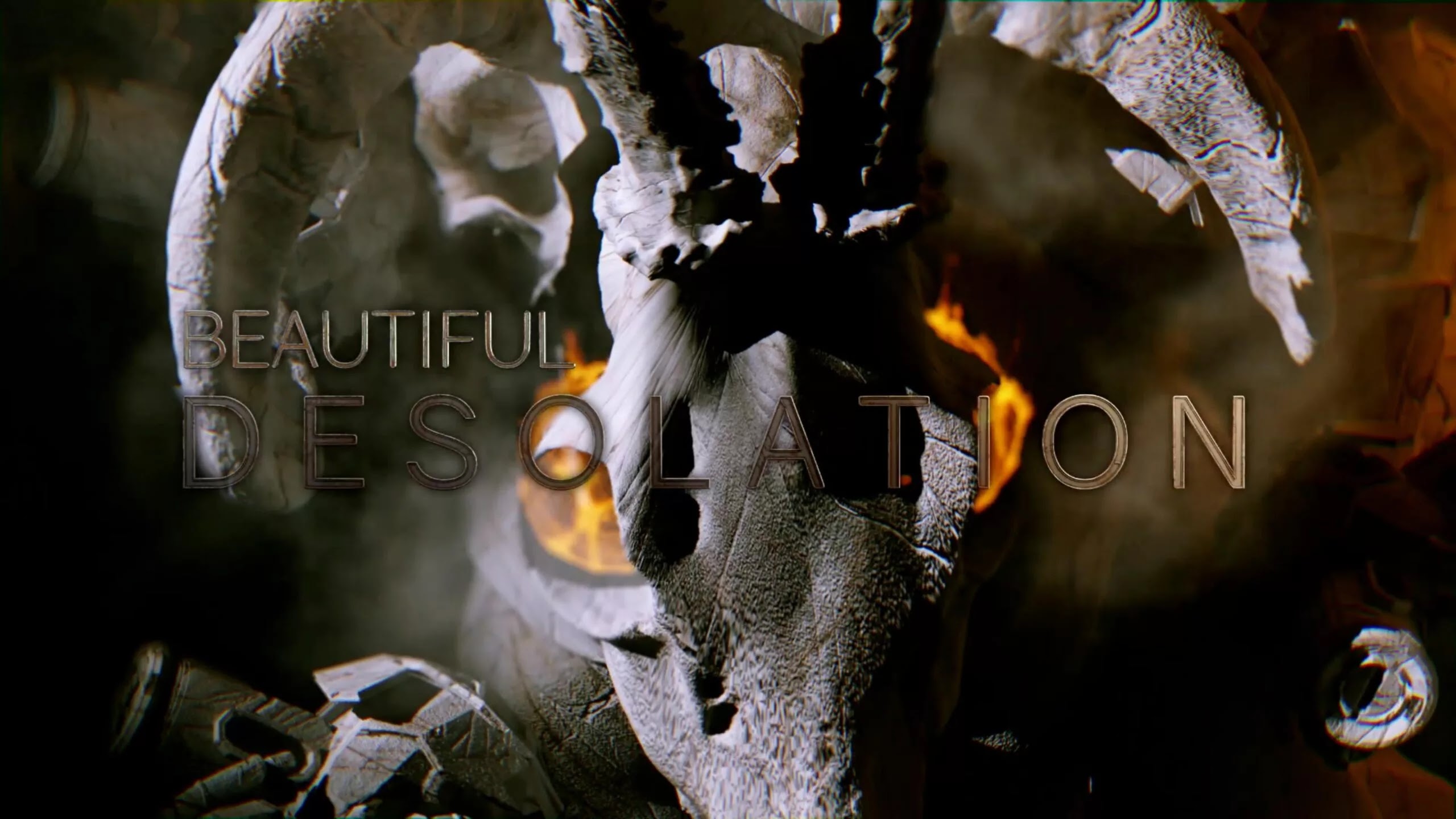
Starting off on a stormy night in South Africa, Beautiful Desolation is the story of two Brothers and their relationship after the events of humanity's first contact. Having lost his wife on that first night while on the way to pick up his older brother Don, as Mark you'll have to navigate your way from post contact mid 1980s into an unknown time far from anything you could have ever imagined.

Beautiful Desolation is one of those titles that will not be for everyone due to its pacing. Set in a third person isometric view, you'll have to do as much exploring by foot as you will creative and often convoluted puzzle solving in order to figure out your actual next step. With nothing to really guide you at times but your own character's resources, there's going to be plenty of back and forth as well as head scratching on what your next move is supposed to be.

Now throughout my time with Beautiful Desolation, there was one thing that constantly nagged at me. Was this really the appropriate avenue for the experience? There's nothing wrong with how Beautiful Desolation is designed per say. Visually, it can sit up there with others such as BlackIsles' older work like Planescape Torment and inXile Entertainment's newer work like Torment: Tides of Numenera. That said, I found myself continuously thinking that maybe a point and click style would have served as a better medium.

The reason I say this is while it is nice to be able to run around and explore the environments, the usage of "explore" is light at best. Most of the time while running through environments you'll simply be looking at the scenery. In each environment there are points of interest but these points of interest are specifically for you the player more than for your actual characters. Oftentimes they'll just be descriptions of what can be seen lying about such as giant fossils or overgrowth or the quality of the water that stands between you and where you want to go. Finally, unlike most third person isometric adventures, there’s not as much that you can do when comparing it to the likes of Divinity Original Sin 2, Pillars of Eternity 2, Baldur’s Gate III, Wasteland 3, Pathfinder: Kingmaker, etc.

So it's for these reasons that I think that a point-and-click style would have served better than a top-down third person isometric view. Even the interactions with the environments require you to load up your inventory and you select as you would in a point and click. As a final point on this is that generally once you’ve been through an environment, you’ve pretty much seen all there is to it so having to tilt your joystick to run through it all over again is just tedious. I wish there had been an option to allow for a cursor mode to allow the pathfinder to do the work for you with all of the back and forth required at times to figure out the smallest thing.

All of this said though, the experience that The Brotherhood have put together is a good one. The story is enticing so regardless how I felt about the mechanics I kept going back for more. Hell, I also wanted to know more which is probably why at times I was a bit disappointed that once you’ve talked with a person, they were no longer available unless the quest line brought you back to them hours down the line. I would have liked more conversations in this world, not just ones tied to the main storyline. If things were going to be convoluted, at least throw me actual red herrings.

Getting into Beautiful Desolation itself, this story is one of your telling. Trapped in the future that they know nothing of, the story of both Mark and Don is really whatever you want it to be. Starting all the way back to that one night where everything changed, Mark was on his way to pick up Don and what you were going to do was in your hands. Were you going to bring him home? Were you going to bring him to a shelter where he could get help? And how soft of a touch were you going to use as this was apparently not the first time that a good amount of alcohol was involved.

This relationship is as much a focus as the journey to make it back to their own time. While not coming up as often as I would like, there are still a fair amount of conversations in which both Mark and Don can either mend or further break their already strained relationship. This is also taken a step further in which Mark can also create or keep separate a relationship with an Agnate (a form of sentient robotic life) named Pooch. Your choices in how you speak to them and make decisions will ultimately decide how your adventure with them ends. It also helps to define who “you” are as Mark in this strange world.

Now my wanting of Point and Click aside, I’m not entirely sure the transition to console was the smoothest. For hours, I was stuck searching EVERYWHERE for where to go until I realized that Beautiful Desolation released back in February on the PC. Checking Steam’s Discussions, I found the developer’s own everything you need to know guide and from this guide, I checked where I had landed, and nothing more as I didn’t want to spoil it for myself, and then scratched my head. But “I did that” I thought. Turns out, from the beginning hiccup that I was getting in which a prompt would continuously get in my way, very late game, or late game to me because of my choices and paths walked, the actual interface was glitched not letting me scan an item that was at this point paramount to having in order to getting the last required item and seeing the end.

Unlike a lot of titles though, I find myself truly unsure of where to set Beautiful Desolation. On one hand, the world looks and sounds amazing, the voice overs are incredible and unique between the various peoples, and there’s more than one way to go from start to finish. On the other hand, once you’ve seen each part of the world, there’s really nothing left to see a second time as it’s rather empty short of maybe having a new conversation pop up. What Beautiful Desolation does, it does well, but it’s just not enough to hold itself up as on a twelve hour playthrough, I may have only really had an hour’s worth of dialog. The rest was running around and hoping that the combining of items in my inventory works.

Summary

So overall, while it does a great job at telling the story of two brothers and their relationship for better or for worse which adds replayability to see how different decisions will impact it, Beautiful Desolation will not be for everyone. With some complex and often convoluted puzzles offering zero hints of how to proceed and often seemingly empty environments with nothing to do, it’s hard to recommend it to everyone, BUT, if you are a fan of well written narratives, cryptic puzzles, and some very well designed anything but human creatures, I wholeheartedly suggest taking a few cracks at this adventure and what it offers.

Score: 7 / 10


Share:

Layers of Fear VR - PSVR Review


Layers of Fear VR
by developer and publisher Bloober Team—Sony PlayStation VR review written by Nick with a copy provided by the publisher.

Estimated reading time: 5 minutes


When Layers of Fear first came out, it was something of a divisive title. It relied heavily on jump scares and tension building, making excellent use of audio. However, it’s somewhat slow burn pacing and gameplay was not for everyone. If you were a fan of this title when it released, the good news is that Layers of Fear VR is the same game you enjoyed the first time around – it’s just getting a PSVR coat of paint that allows the game to pop in a new and interesting way. If you did not care for the title when it first came out? Odds are this new take on Layers of Fear won’t be what makes you a convert.

I enjoyed Layers of Fear when it came out. I was in the camp of gamers who could admit that while the game had some pacing issues at times, its overall atmosphere (which was ably assisted by excellent sound design) kept me engaged – despite a relatively short play time of a few hours. However, Layers of Fear is now nearly half a decade old, and it is showing its age a bit. It has had sequels. So the VR touch-up feels a bit late in getting here.

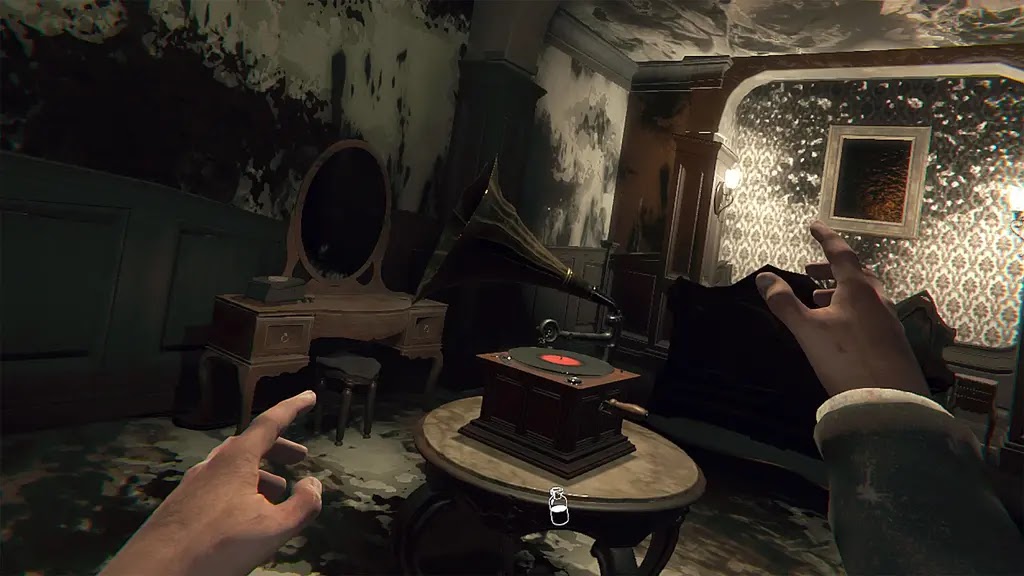
That being said, because the original “flat screen” game was handled from a first-person perspective, it is one of those titles I sometimes thought about as a potentially great fit for virtual reality. I can’t help it – I’m a sucker for horror games and their jump scares get magnified in VR.

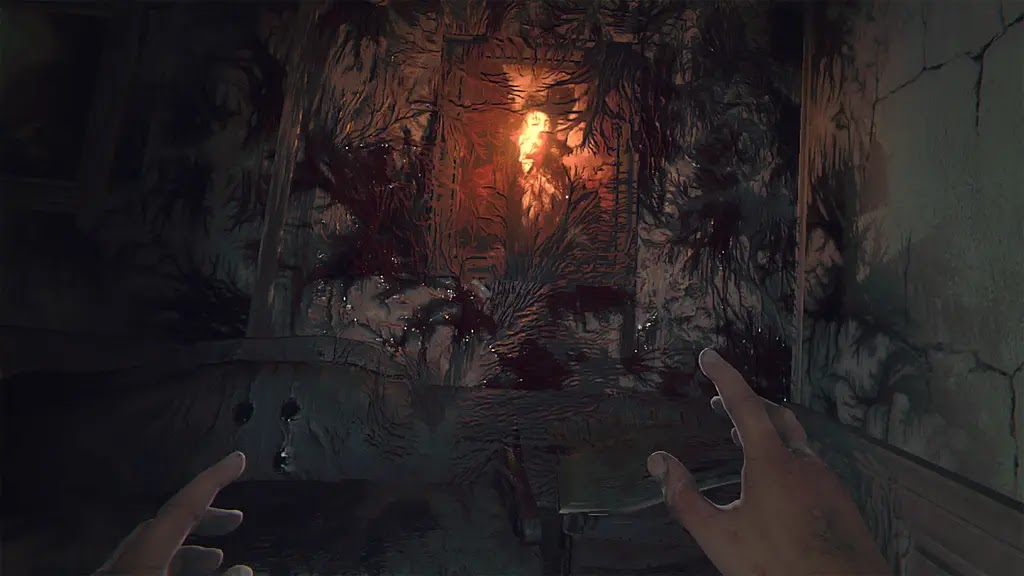
For those who have not yet played the original game and are unaware of the story – it’s built around an artist looking to pain his masterpiece. Your character is exploring this house and essentially the gameplay starts to turn into something of a series of fetch quests, prompting you to explore the house to work through different ‘layers’ in the panting. However, as you trek through the house, what is real and what is not becomes an increasingly blurry line that builds up to most of the scares experienced.

The implementation however, is not completely perfect. This was not a game that was built with VR in mind. It is a title that is half a decade old with virtual reality bolted onto it. As such, the visuals are not always perfect. I really did appreciate how effectively the VR touch-up made the atmosphere and scares that much more palpable, but there were times where the interactions just felt a little janky and off, making it more challenging than it should have been to simply interact with an object in the environment. There is not a ton of actual gameplay to be had in either iteration of Layers of Fear – you mostly walk about and interact with things. But the VR implementation just feels clumsy at times and that hinders the experience.

I found Layers of Fear VR to be a comfortable game to play however, which kind of surprised me. Sometimes moving around in a slightly claustrophobic environment in virtual reality can cause a bit of VR sickness, but I never ran into that here. There’s some odd distortion effects that occur as well, and I was surprised that they did not disorient me more. I dare say – I just thought they looked really cool in VR. Really the only time I struggled was with the sometimes frustrating interactions / inability to move because I got hung up on something in the environment unseen while walking. Similar to other first-person horror games, Layers of Fear VR relies heavily on perspective. The devs do a nice job with lines of sight and angles to help pull off some of the game’s more notable scary moments.

I will say that from a quality standpoint, Layers of Fear started slowly for me and got better in the second half. Now, because I played it before, there were a few moments that were slightly diminished for me. It’s been a few years, so there were definitely cobwebs in places, but I had some moments where I could clearly recall what was coming as well.

Summary

Layers of Fear VR is targeting a very specific niche. It’s a horror game that is somewhat short in nature and relies heavily on jump scares. This plays into the VR medium, and to that end I still had fun with it – but the original game came out several years ago and the VR here is tacked onto to an already slightly older title. The end result is a somewhat mixed bag that is appropriately scarier than the original, but also suffers a bit in terms of gameplay. If you are a fan of first-person horror games and have a PSVR, Layers of Fear VR is worth a go. If this genre is not normally to your liking though, odds are the VR additions won’t convince you to overlook this game’s issues.

Score: 7 / 10


Share:

Star Wars Pinball VR - PSVR Review


Star Wars Pinball VR
by developer Zen Studios - Pinball FX and publisher Zen Studios—Sony PlayStation VR review written by Nick with a copy provided by the publisher.

Estimated reading time: 5 minutes


Star Wars Pinball VR hits a few different sweet spots for me. For one, I am a huge fan of Star Wars. For another, I’ve played just about every Zen Studios pinball game by now, across a variety of platforms. Lastly, the VR implementation had me excited as I have really enjoyed prior Zen Studios VR pinball tables. With this much to be excited about, I was almost worried that I was setting myself up to be disappointed. Thankfully, the opposite has proven true, and Star Wars Pinball VR has proven to be arguably my favorite PSVR title to date.

When I first picked up my PlayStation VR a couple of years ago, I grabbed just about every virtual reality game available at the time. If I had the hardware – I was going to use it, right? I spent more hours with that thing on my head than I care to admit, but the game that had me coming back to it most often was probably one of the simpler ones out there – Zen Studios pinball tables. If anything, I’ve long been disappointed that they haven’t brought more of their tables over to the VR format (the numerous licensed Marvel tables would be an absolute treat for me). So I was thrilled to hear that Star Wars tables were getting the VR treatment.

Now, not all of the Star Wars tables came along for the ride, but these six did:

●     Star Wars: A New hope

●     Star Wars: The Empire Strikes Back

●     Star Wars: Return of the Jedi

●     Rogue One: A Star Wars Story

●     Star Wars Rebels

●     Masters of the Force

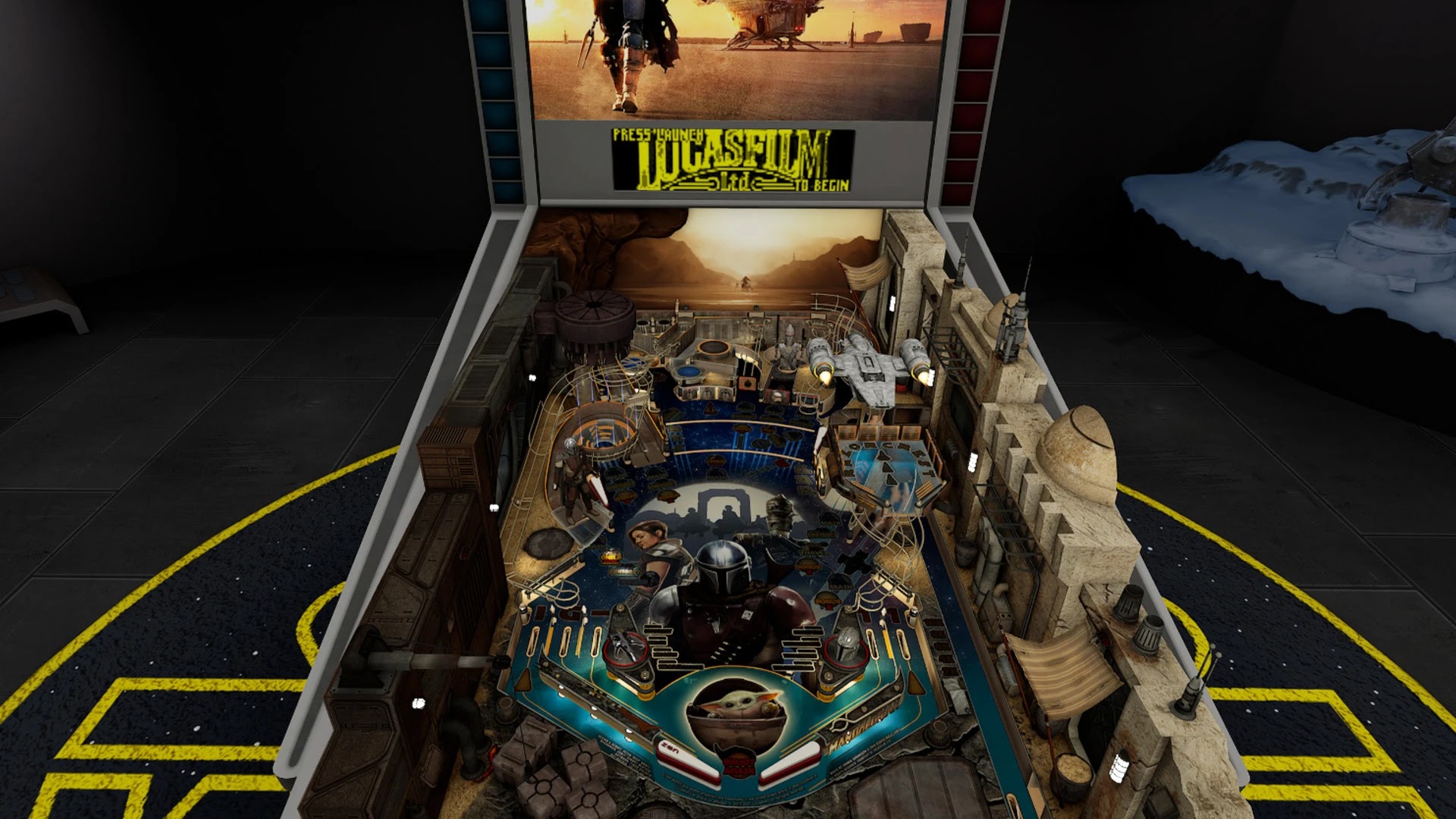
In addition to those tables getting the full VR coat of paint, two all new tables were added as well: The Mandalorian and Star Wars Classic Collectibles.

Eight tables in one package is no joke, and I really appreciated the focus on the original trilogy here right out of the gates. Out of the two new tables, the Mandalorian is the one I took to more. That being said, I had no issues with Collectibles either. They are both good tables, and when you have a group of tables like this, you tend to get some different flavors. In general, I tend to like long, sweeping tables with rails and ramps over the more claustrophobic, twitch-reflex tables that Zen Studios has released over the years, and you get a bit of everything with this package.

From a presentation standpoint, the virtual reality is just an awesome fit. Admittedly, these tables have a tendency to make you hold your head downward a bit more than I would when playing other games (to simulate standing in front of a real pinball table, which makes total sense), and my neck does get a bit tired from that at times. That being said, one of the biggest gripes about pinball tables by any developer is that it can be hard to track the pinball at times. Pinball tables are by nature vertical in display design, yet our current HD televisions are focused on horizontal real estate. That’s one of the reasons Zen Studios’ pinball titles work so well on the switch in handheld mode, because you can tip it on its side and get a much more natural visual presentation.

Why am I explaining all of this? Because onf of my favorite aspects of VR in this application, is that your head moves to follow the ball and pan up and down the table in a very natural fashion. I love pinball machines, and this is about as natural of a way to play the digital form as there is.

Now, for those who are new to Zen Studios’ pinball games, the core mechanics are exactly what you would expect. Launch the ball, smack it around with your flippers and try to trigger some cool things on the table. There is an authentic weight and movement to the pinball that keeps the core gameplay enjoyable, but Zen Studios’ tables embrace their digital design and do plenty of things you would not see in an actual pinball table. You can get some mini video games that pop up, you can have a fully animated 3D character jumping around the table. It makes for fantastic presentation and Star Wars Pinball VR is fantastic visually. There are voice actors reciting famous lines from the movies that… just don’t quite sound right to someone who has seen them as often as I have. Thankfully the actual sound effects and music are spot-on and really just add to the further immersion.

There are several different modes to encourage replay value, but there is a sort of man cave / Star Wars Cave collection element sprinkled in for good fun as well. Instead of just getting virtual PlayStation trophies for accomplishing specific tasks, you can also unlock a variety of cosmetic items to decorate your space with. Sure, it’s all style, no real substance – but as a guy who actually has quite a few Star Wars collectibles in his video game room? I felt rather oddly right at home in this virtual environment.

Summary

Star Wars Pinball VR provides a pretty good bang for its buck, given that there are eight total tables and two of them are brand new. Some table layouts and thematic choices will resonate with people differently, but as a whole the package is quite enjoyable. The presentation is fantastic, both of the new tables are well-made and Star Wars Pinball VR gives me hope we will see even more virtual reality pinball from the wizards at Zen Studios in the future.

Score: 8.5 / 10


Share:

Random posts

Our Streamers

Susan "Jagtress" N.


S.M. Carrière

Aldren


Affiliates

JenEricDesigns – Coffee that ships to the US and Canada

JenEricDesigns – Coffee that ships to the US and Canada
Light, Medium and Dark Roast Coffee available.

Blog Archive

Labels