• Gobliiins Collection - Switch Review

    In the early 90s, Coktel Vision (which later became Sierra On-Line) released a quirky point and click adventure game titled Gobliiins which had players bouncing between three different Goblins to find a cure for good King Angoulafre.

  • The Core - PC Preview

    Sometimes when you are browsing the internet for information on how to do something, you stumble upon ideas or projects or even games that people might be working on...

  • Cat Mail Co. - PC Review

    What a meow-gnificent evening it is to send your paw-rcels out to those family and friends! Are mew looking to pick up an item or send something out? Well at Cat Mail Co. we can send and receive all your deliveries!

  • Volontes - Nintendo Switch Review

    Have you ever grown up feeling like you don't belong? For our Heroine, that's the feeling she lives with everyday in her small farming village. But it's not her only secret...

  • STARSEEKER: Astroneer Expeditions - PC Preview

    STARSEEKER: Astroneer Expeditions is just that! Massively co-operative and not an MMO! When you first run the game you are instantly into the tutorial...

  • Dread Delusion - Xbox Series X|S Review

    Today we’re looking at what has rapidly become an absolute favorite in the open-world RPG genre for me. An interesting story, memorable NPCs, stunning visuals, and a setting absolutely dripping with flavor, Dread Delusion sets its tone immediately and sticks with it.

  • House Flipper Remastered Collection - PC Review

    I enjoy simulation-type games, and I enjoyed the original release of House Flipper, but I never got around to getting the DLC. When the remastered version of the game was released, I figured it would be the best way to experience the DLC while checking out how the base game was upgraded.

  • GranBlue Fantasy: ReLink Endless Ragnarok - PS5 Review

    GranBlue Fantasy: ReLink released in 2024 bringing the GranBlue universe to an action adventure JRPG format. With a party of up to four members, this band of skyfarers set out for new skies, adventures, and dangers. Two years later, Endless Ragnarok...

  • 70s-Style Robot Anime Geppy-X - PS5 Review

    70s-Style Robot Anime Geppy-X is a mouthful of a title, but you know what? It’s quite the challenging game to describe as well. At its core, 70s-Style Robot Anime Geppy-X is a shooter...

Showing posts with label Koei Tecmo Games. Show all posts

Rise of the Ronin - PC Review

Rise of the Ronin is developed and published by KOEI TECMO Games (originally developed by Team Ninja for the PlayStation 5)—PC review written by Robert with a copy provided by the publisher.

Estimated reading time: 9 minutes


Set in the Bakumatsu-era in Japan, Rise of the Ronin follows the path of a Veiled Edge, a unique paired swordsmen's technique where you play one half of a pair of sword-slinging ronin called Blade Twins. Set on a quest to find your Blade Twin after a mission goes awry, you will embark on a journey that will take you on a journey through 19th-century Yokohama, Edo, and Kyoto. Boasting 8k resolution support, ultrawide resolutions, 120 frames per second, and ray tracing support amongst a littany of upgrades, Rise of the Ronin is sure to bring any modern gaming rig to its knees. Enjoyable, if soulless at times, Rise of the Ronin struggles with defining its identity while scaling back some of the difficulty and excitement found in Team Ninja's flagship franchise, Nioh.

Performance & Graphics

Graphically there are a few standout moments where I had to pause a minute and just take in the surroundings, but for an open world experience in a post Ghost of Tsushima-world, Rise of the Ronin's three major areas feel relatively bland. While they are open, airy, and have plenty of checklist-y items to keep you busy, there is a distinct lack of cinematic quality to the presentation of its areas. It may be that I've been spoiled by the quality of other more experienced open world studios, but there are beautiful vistas throughout Rise of the Ronin that Team Ninja just doesn't show/present to you. Mind you, Rise of the Ronin isn't a bad looking game, not by a long shot; it's a phenomenal attempt by a studio that typically sticks to more curated, narrow maps in their games. The downside is that it really shows that they aren't experienced in the cinematic approach to open world games, almost as if there's an identity crisis happening within Ronin. I say that because the presentation of areas/levels feels like it would be at home in a more concise game (like Nioh 2) rather than in an open world experience.


Performance is going to be where I saw the biggest variation in quality. While there was a day one patch that addressed some of the following issues, I found that on my well-endowed gaming rig, there were still times where running through the three major hub sections would bring my game to its knees. I'm running Rise of the Ronin on a Ryzen 9 5900x, Radeon 7900 XTX, 64 GB of RAM, and off of an M.2 NVMe drive using the "standard" graphics setting, and there were points where the movement was so sluggish that it was almost as if I was running through Jell-O or pudding. Even though my machine should be able to adequately run Rise of the Ronin at 1440p, I was quite taken aback at how poorly it would run. This coming from Nioh and Nioh 2 which were very well-optimized, though in fairness they were originally launched as multi-platform titles as opposed to a console port (as is Rise of the Ronin).

Frustratingly, the performance didn't affect just the framerate, as there is plenty of pop-in (with enemies even popping in on top of you) and input lag. What's worse is that the controller charms that are supposed to show up based on whether you were using a PlayStation controller or an Xbox controller would never be properly set. For example, by default all of the glyphs throughout the game are default set for the X, O, Triangle, and Square and they'll stay that way even if you're using an Xbox controller. However, if you press a button on the Xbox controller, the in-game glyphs will change to the Xbox's A, B, X, and Y charms. It's frustrating and confusing, and even worse, at the time of this article's writing, you couldn't even use keyboard and mouse even though there are glyphs/charms that show things like the Tab or Spacebar as inputs, even though pressing those does nothing. This was a major bummer for me as I was hoping to use my keyboard and mouse to take pictures using the robust photo mode ... unfortunately without the keyboard and mouse working in game, that was a fruitless endeavor as I just couldn't get comfortable in photo mode with the controller.


Gameplay & Mechanics

Rise of the Ronin was a bit of a shock for me with regard to its combat. Coming from the studio behind the bewitchingly-fast and often-unforgiving combat found in Nioh/Nioh 2, I was a bit taken aback with how straightforward combat in Rise of the Ronin is. While fairly simple up front, combat never quite feels as deep and enriching as Team Ninja's other titles, there are some saving graces to combat. For one, as is typical for Team Ninja, there are a whole slew of weapons for you to choose from. From your katana or dual swords to odachi or polearms, longbows and rifles to pistols and shurikens, there's something here for everyone. I myself am a sucker for spears so I was thrilled to see spears as a weapon type that's actually fun to play. 

While I tried out every weapon in the game, I gravitated towards the spear and katana and enjoyed them the most. In an attempt to add an additional layer of complexity to combat, every melee weapon has numerous Styles that you will learn throughout the course of the game. As you become more proficient at combat (not very difficult as combat is extremely approachable), switching between the various combat styles for your equipped weapon will be second-nature. In time I began to play around with combat stances and weapons and found that the most enjoyable combat was using wooden weapons (much weaker and they don't kill bad guys, just incapacitate them) and playing entirely defensively. There's quite a bit of forgiveness at times in combat, which is nice because of the magnetic bad guys (the magnetism is strong ... and annoying as hell) but after 30-40 hours of it, combat can become pretty stale.

Combat isn't the only thing that had me scratching my head in its simplicity... Rise of the Ronin has an identity issue. I couldn't help but feel that Team Ninja took a look at some of the more popular titles of the last ten years, took what made them special, then copied those features into their own game. While I don't think that it's bad to take inspiration from other titles, in fact, more studios should do it, but there's this feeling of wanting something more, something unique to Rise of the Ronin and it just doesn't materialize. Take for example, Legend of Zelda Breath of the Wild and how it popularized a hang glider as a means of transportation... It's as if Team Ninja saw that and said, "we need that in our game, irrespective of whether it's useful or not" (hint, it's not). It feels like Rise of the Ronin is an amalgamation of features from other games, but has no soul. A homunculus, if you will. Combat, exploration, RPG leveling mechanics, open world checklisting, item crafting, the absolutely asinine amounts of loot you'll get, etc. all feel like they are in the game because they're simply supposed to be, not because they should be. Removing the silly glider, improving the horse-based locomotion (it's straight out of the early days of Witcher 3), tightening up combat, and making loot more manageable would have been preferred over some of the nonsensical additions. I have 1.5 playthroughs of Rise of the Ronin as of the writing of this article and I could do without the majority of features (I have never, ever needed to craft items ... why craft when you can buy them for a pittance?) in favor of a more concise and curated gaming experience.


Story & Pacing

Continuing on with its relatively soulless existence, Rise of the Ronin's story, while paced wonderfully, feels empty and without heart. Sure, there is some motivation for the story beats and pacing is actually pretty solid between it's three acts (not including the prologue/tutorial). Set upon your journey by the Bladesmith, the leading member of the Veiled Edge society of ninjas and ronin that your character belongs to, you're tasked with finding your Blade Twin, thought to be lost in the prologue/tutorial mission of the game. Unfortunately the story is about as interesting as a piece of dry toast at times and was only moved along because of the checklist-like nature of the open world. 

Moving from one point of interest to the next on the world map was the primary driving force behind each of the story's various acts. Falling into the Ubisoft Trap is pretty simple in Rise of the Ronin and has about as much depth as a modern-day Ubisoft title. That's not to say that the entirety of Rise of the Ronin is bad; there's some solid intrigue spread throughout the game in the form of the Anti-Shogunate and Pro-Shogunate decisions that you'll be able to make. I found that the most engaging part of the story was making choices that I wasn't sold on (such as some of the anti-shogunate choices), but because they were putting me outside of my typical roleplaying comfort zone, I found them if not memorable, then enjoyable. Taka's entire existence as a Geisha and her role in the story is one that I found myself being invested in... maybe it's because I have a romanticized view of the geisha, but still, it was enjoyable. Other characters are less interesting, some even eye-rollingly bad at times (characters just sweeping horrific actions under the rug as a "bygones be bygones" was pretty stupid, in my opinion).

Rise of the Ronin is an interesting beast of a title that I'm not entirely sure how to classify. Contrary to popular belief, it's less Ghost of Tsushima and more like Horizon Zero Dawn. In talking with others here at Chalgyr's Game Room the best way I could describe it is, "To me it feels like Team Ninja took a look at The Witcher 3, Assassin's Creed Origins, Grand Theft Auto V, and Red Dead Redemption, and took what made them technically good games, and technically replicated those things ... but did so without bothering to bring any of their normal weird polish / approach to games," and I stand by those comments. Rise of the Ronin isn't bad, per se, but it is meandering and soulless at times and combine the lack of heart with the simplistic combat and the best that I can say about Rise of the Ronin is, "it's safe." The combat has been dialed back compared to their other titles, the story at times is meandering and unfocused, and the performance is all over the place on a well-powered gaming machine. Is it bad? No, but it's not the quality that I've come to expect from Team Ninja...


Score: 6 out of 10


Share:

Dynasty Warriors: Origins - Xbox Review


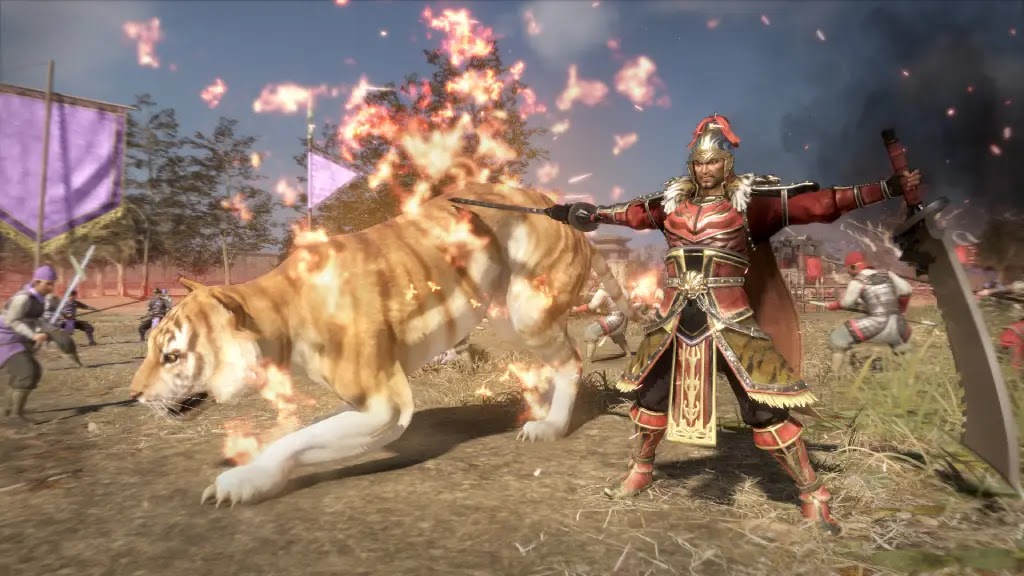
Dynasty Warriors: Origins by developer Omega Force and publisher Koei Tecmo GamesMicrosoft Xbox Series X Review written by Nick with a copy provided by the publisher.

Reading time: 8 minutes

Share:

Fate/Samurai Remnant Review

Fate/Samurai Remnant by developer Omega Force and publisher KoeiTecmo GamesSony PlayStation 5 review written by Nick with a copy provided by the publisher.

Estimated reading time: 4 minutes


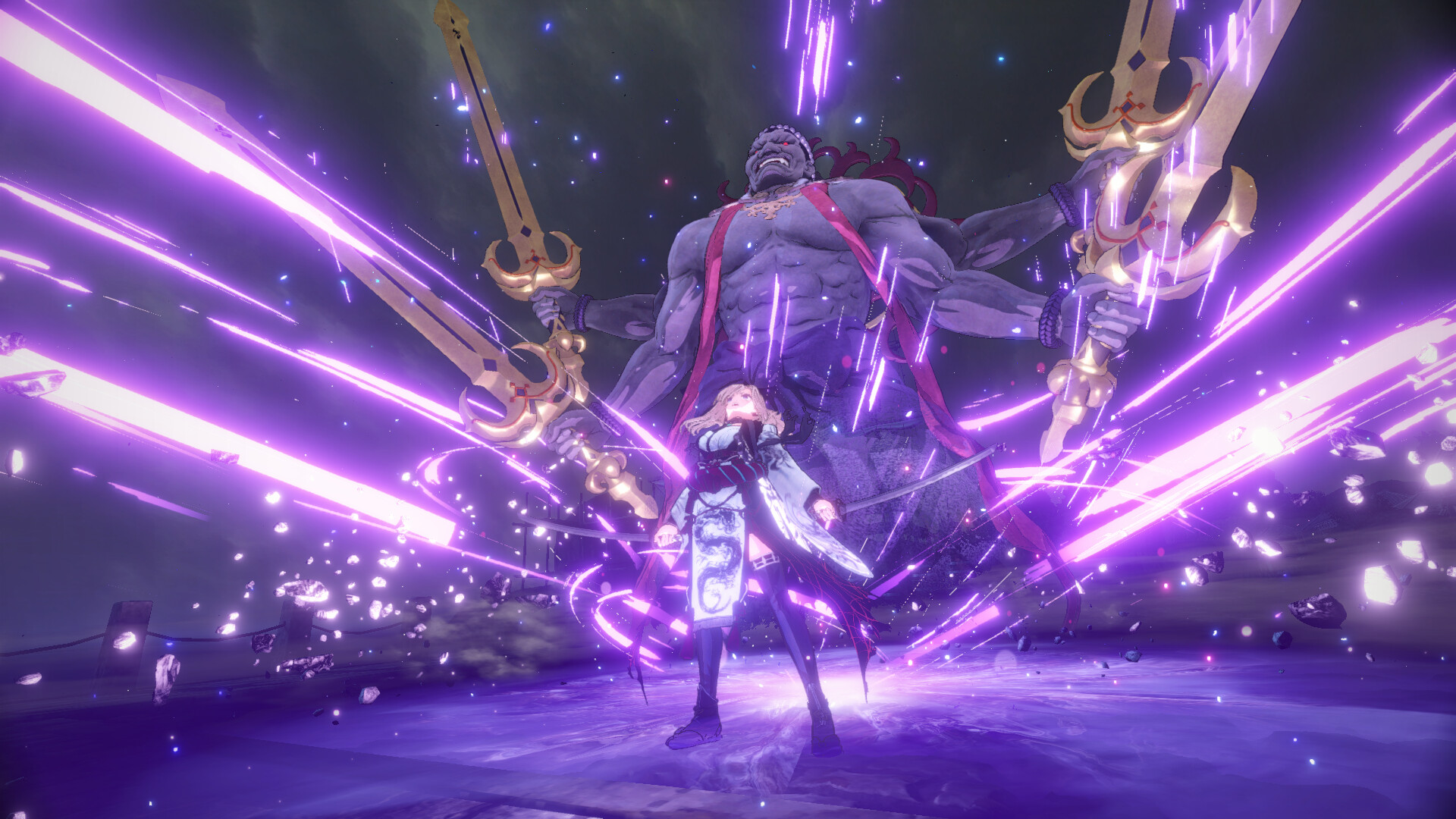
If you are a veteran of the Holy Grail War that is the primary plot point throughout the Fate series, Fate/Samurai Remnant should feel familiar. Even if you are not acquainted with the prior games, anime and manga, Fate/Samurai Remnant is a pretty approachable action-RPG that I found quite difficult to put down.

I’ve long been a fan of Fate – my son introduced me to the anime years ago and I’ve sunk many (maybe hundreds?) of hours into the various video game titles such as Fate/Extella Link. Fate/Samurai Remnant is the latest gaming release, with a very different setting from some of the prior titles, which had a much more contemporary or futuristic feeling. Instead we wind up in Japan during the 17th century. There is a lot going on with the story, especially if you’re relatively new to the concept of Masters and their summoned Servants. Our protagonist is Miyamoto Iori.

Thankfully the world-building is pretty solid here. It can be rather lengthy with its exposition dropped on players in large chunks initially, but if you’re invested in the protagonist and their story (which I very much was), it’s a worthwhile investment. This does give the early proceedings an almost visual novel-like feel to it because there is just so much text being dumped on the screen, but it’s well localized and it helps that the cutscenes are very well animated, doing the anime proud.

Really, in general the graphics are pretty enjoyable. The visuals are vibrant and colorful, and the animations are enjoyable and run at a smooth 60fps without any notable drops despite oodles of enemies filling the rooms at times. I especially enjoy many of the over-the-top super attacks that take the scene over when they occur. The music was not what I’d refer to as memorable, but certainly fitting for the game and generally enjoyable.

The Fate/Extella titles had a very sci-fi feel to them that was often rather cold to me. They were fun games, but I didn’t particularly love the settings. False virtual realities and people who might-not-be-actual people made it just a bit harder to develop warm and fuzzy feelings for. The much more authentic feeling of Japan and the characters encountered within the story of Fate/Samurai Remnant resonated considerably better for me.

Once you get through the initial text-heavy beginning, Fate/Samurai Remnant quickly reveals itself as a musuo style action game littered with RPG elements that fans of the Dynasty / Samurai Warriors games should feel quite familiar with. For those who have not played those titles, the basic structure is to have your character moving about the environment, taking on literally hundreds or thousands of easy-to-kill enemies in a one-against-many formula that culminates in bigger battles against much more capable Servants similar to your own.

It's an interesting combination of button-mashing action and the need to explore and power up for the more strategic boss battles. It’s an interesting, layered approach to combat that starts off feeling quite simple but allows enough nuance to keep what would otherwise be really repetitive battles feeling interesting as the stage progresses. Especially when so many of the stages also bake in objectives for you to try and reach within the stages. Another aspect that is worth calling out is that the enemy variety is better than prior games, and that helped to keep me on my toes as I progressed further into the story. I do, however, wish the camera was a bit less obtrusive. In an effort to try and frame areas in a specific way, the camera often gets fixed in such a way that it creates blind spots that had a way of annoying me at the worst of times.

Outside of combat, there is a combination of narrative and an experience system that dangles some nice character progression. There’s a skill tree that you can unlock nodes within as well as customizing your blade along the way. There’s even a sort of tactical game overlaying all of this regarding leylines that adds a bit of a tactical element to everything. Interacting with characters and animals between stages makes your efforts feel more meaningful within the context of the storyline.

Fate/Samurai Remnant is the best game in the series that I have played, full stop. It’s got a familiar combat system with more layers than one would expect for combat that is so accessible. Quests, characters and settings are the best I’ve seen in this series as well, making me well-invested in the story and the people populating it. Like many of these ‘Warriors-style’ games, there’s a fair amount of repetition to be had during stretches of gameplay, but credit to the developers for creating enough enemy varieties, systems for progression and quests to keep things enjoyable along the way.

Score: 8.5 / 10

G
M
T
Y
Text-to-speech function is limited to 200 characters
Share:

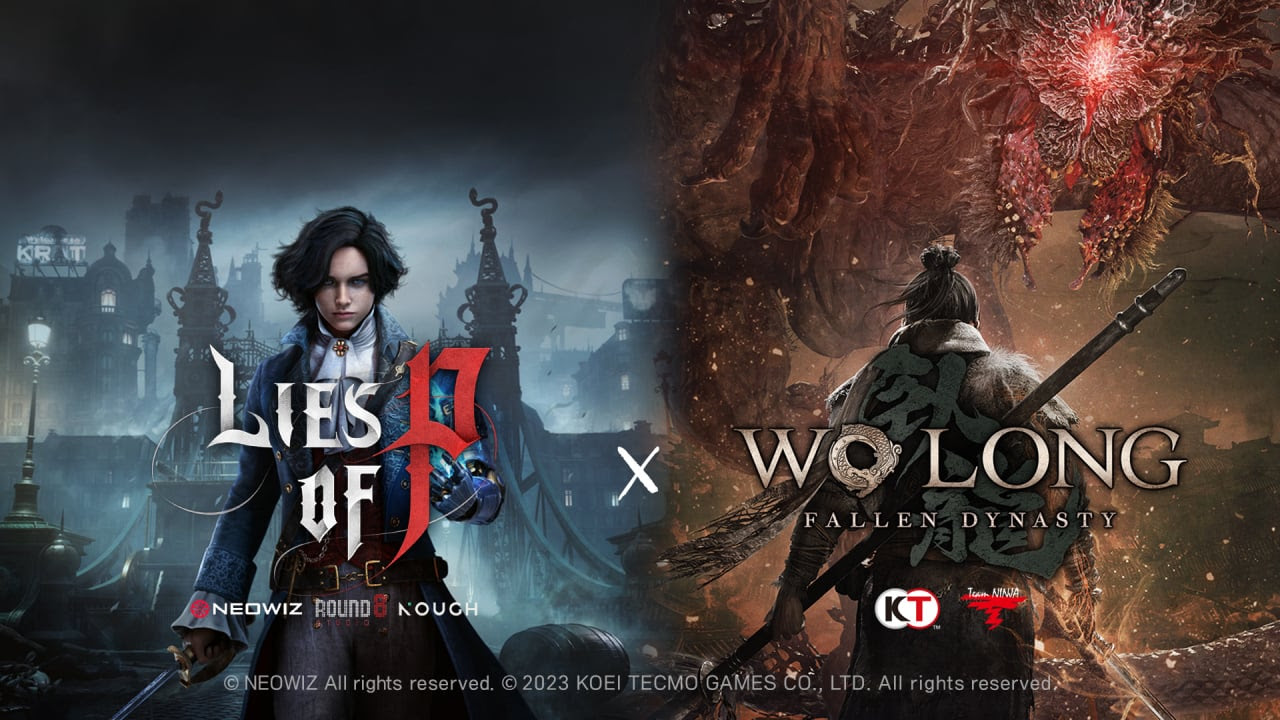
Lies of P and Wo Long: Fallen Dynasty Team Up For Exciting Action Souls-like Collaboration


SEOUL, South KoreaNEOWIZ, a leading game developer and publisher in South Korea, today announced a  collaboration between its highly-anticipated action RPG Lies of P and KOEI TECMO’s hit title Wo Long: Fallen Dynasty. Developed in South Korea and Japan, respectively, Lies of P and Wo Long: Fallen Dynasty are globally anticipated titles that immerse players in unique worlds filled with spectacular combat action. NEOWIZ is incredibly excited about this collaboration and believes it will be enjoyed by Souls-like fans everywhere. Details of the collaboration will be revealed in September.

Developed by Team NINJA, a division of Japanese game developer and publisher KOEI TECMO GAMES, Wo Long: Fallen Dynasty is an action Souls-like game set in the Three Kingdoms where players take on the role of a mercenary to fight against fearsome warriors and demonic forces. It was officially released globally in March 2023 and surpassed 1 million copies sold worldwide within the first two months of its release.

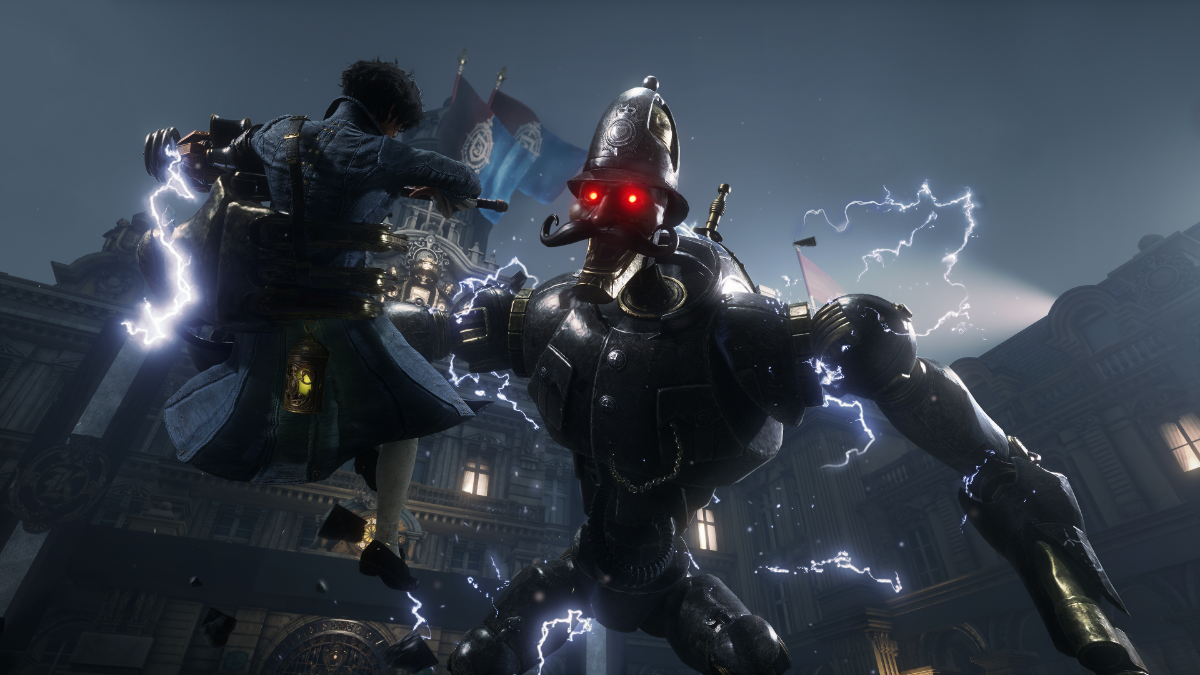
Inspired by the familiar story of Pinocchio, Lies of P is an action Souls-like game set in the dark, Belle Époque-inspired city of Krat. Once a beautiful city, Krat has become a living nightmare as deadly puppets run amok and a plague sweeps the land. Play as P, a puppet who must fight his way through the city on his unrelenting journey to find Geppetto and finally become human. Lies of P presents an elegant world filled with tension, deep combat and character customization systems, and a gripping story with interesting narrative choices where the more lies told, the more human P becomes. Just remember: in a world filled with lies, no one can be trusted…

NEOWIZ will launch Lies of P on Sept. 19, 2023. The standard and deluxe editions are available for pre-order for $59.99 and $69.99 respectively, in digital or physical format on PlayStation®4, PlayStation®5, Xbox One, Xbox Series X|S, and PC via Steam and participating retailers. This game is rated “M” for Mature by the ESRB, PEGI 16, and USK 16.

Fans interested in learning more can follow the game on Twitter, Facebook, and Steam, or join the community on the official Discord server.

About NEOWIZ

Established in 1997, NEOWIZ, Inc (KOSDAQ:095660) is a pioneer in social platforms and online games. As one of the leading game companies in Korea, the company has successfully published a wide variety of PC and mobile games since 2003. In recent years, the company has developed and published several wildly successful titles including; Brave Nine, Skul: The Hero Slayer, Lies of P, and DJMAX RESPECT V.

Article by: Susan N.


Share:

Fatal Frame: Mask of the Lunar Eclipse Review

Fatal Frame: Mask of the Lunar Eclipse by developer and publisher Koei Tecmo GamesXboxSeries X review written by Nick with a copy provided by the publisher.

Estimated Reading Time: 6 minutes 

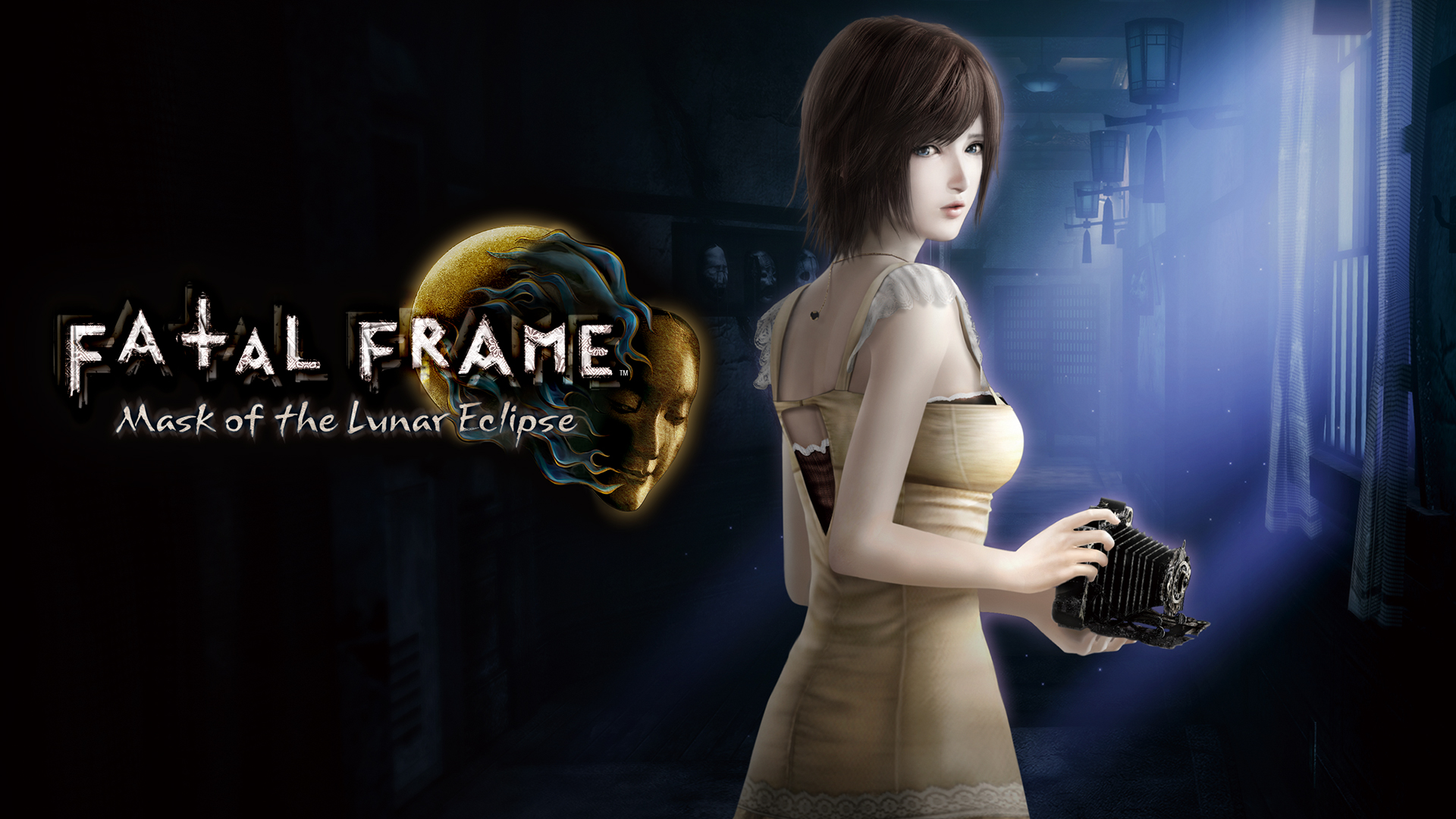
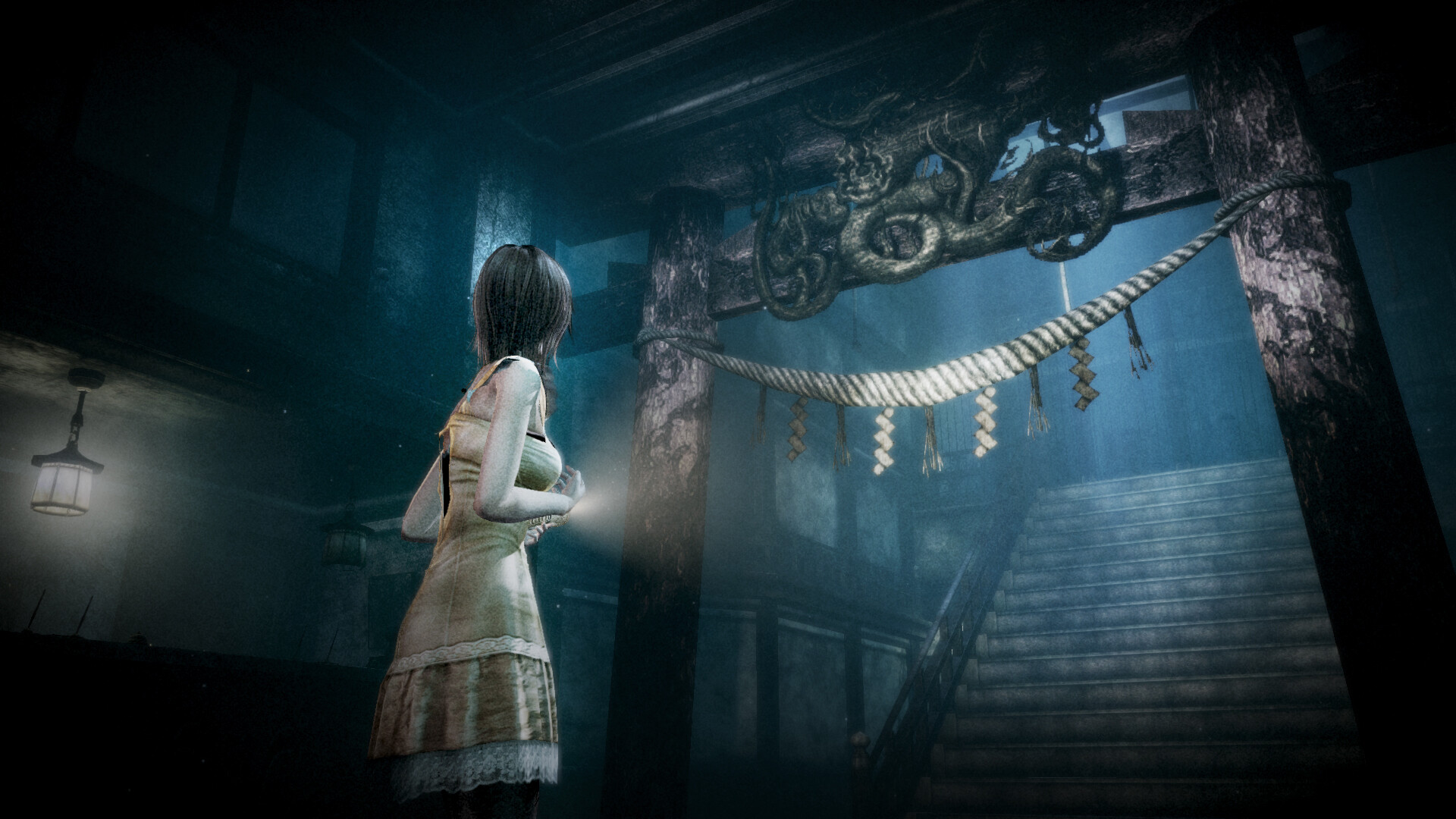
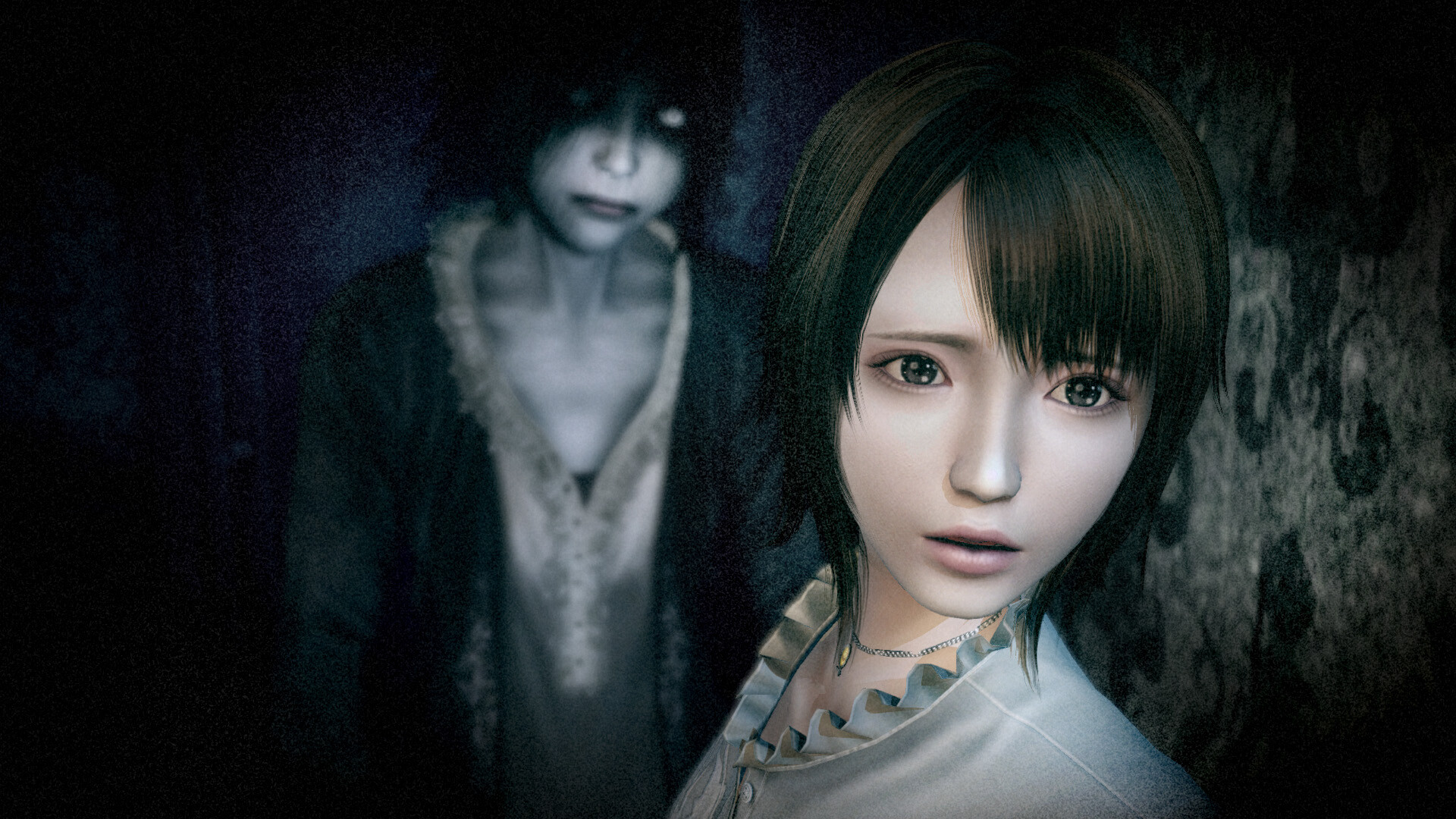
Fatal Frame: Mask of the Lunar Eclipse is not going to be for everyone, as this is an update to an older title that benefits from modern technology, but at the same time still shows its age. While games like Resident Evil are getting complete overhauls, the last two Fatal Frame releases are really just polishing up experiences that are quite a bit more dated, and this especially shows in the movement mechanics. That being said? This fourth installment in the series is finally getting the respect it deserves with a Western release, and I am thrilled about it. 

A lot of people might not at a glance realize the order of the Fatal Frame games, not that it generally matters. They have an interwoven DNA in gaming mechanics and presentation, but they aren’t neatly bound together in any sort of chronological order with recurring characters spanning the series. Each game tends to focus on unique characters and settings, even if the core gameplay is relatively the same. 

The first three titles got Western releases, and I played the snot out of them on PlayStation 2. Then I heard about this title, the fourth, getting released – but only in Japan. So keep in mind that this is an older title as it saw release for the Wii in 2008. For those familiar to the site, I reviewed Fatal Frame: Maiden of Blackwater a couple of years ago, which is the proper fifth main entry to the series (and originally came out in 2014). So for those who played that title and now move to this, know that the core game is several years older, and sometimes that older structure shows through in less flattering ways. Footnote for those curious about the series as a whole, there was a mobile release called Real Zero in 2004 and an interesting 3DS release called Spirit Camera that would be loosely considered spin-off games but not part of the series proper. 

In what has become a core mechanic in the Fatal Frame storytelling, Mask of the Lunar Eclipse follows multiple characters who visit a location called Rogestu Isle. As children, they had temporarily become missing on said Isle during a festival, but their memories have holes in them that they try to fill. The story takes these different characters, weaving their narrative together using a combination of cutscenes, dialog and found items (usually documents of some sort) to pull the mystery together. 

To say that the game is creepy would be a dramatic understatement. The team behind these games always seems to make outstanding use of shadow and sound, creating a creepy ambiance even when nothing is happening. That sense of isolation is often intense, and there are numerous times where there are blink-and-you-will-miss-it encounters that are in no way threatening to you, but it raises the specter that something could happen. It leaves you constantly wondering what could be around the next corner. The audio design really sells this, as sounds both subtle and startling can tip you off to threats or just simply cause the hairs on the back of your neck to stand on end. 

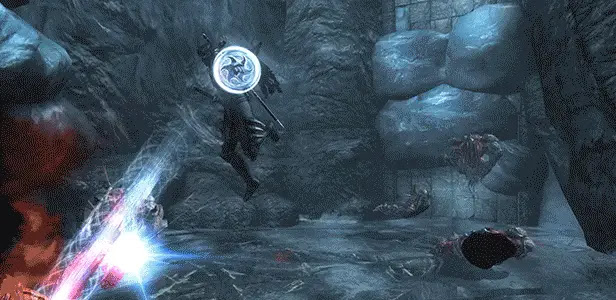
When Fatal Frame first came out, it provided a third-person horror game with some forced camera angles similar to Resident Evil and Silent Hill. What always separated Fatal Frame from those games has been the Camera Obscura. This is used to take pictures of the environment, allowing you to capture some of those brief encounters and get a better look at the spook that dropped in to surprise you, but also as your primary weapon. There’s a lightweight RPG mechanic in leveling the camera up and finding better film for it that strengthens its abilities. And the idea is that you shift from third to first person perspective when you raise the camera to combat the ghosts. For my money, this has always made the Fatal Frame games far more immersive, seeing the spirits coming at you from this first-person view is a lot more frightening than shooting or stabbing at your enemies in a persistent third-person view. 

Fatal Frame: Mask of the Lunar Eclipse has seen greatly improved visuals as the primary selling point in this update (aside from just finally getting to play the game). The lighting engine, textures and character models look considerably better than what I had seen from the game originally. There’s also a  lightweight fluff added in a new snapshot / photo mode where you can pose against the environment. It’s fun for a few minutes in a handful of particularly interesting environments, but that’s about it in terms of notable updates. 

However, with those being the only real upgrades, that is where Fatal Frame: Mask of the Lunar Eclipse can start to show its age a bit. The infamous ‘tank controls’ as they’ve often been referred to in horror games over the years are still in full effect here. They are clunky and slow and more than probably any aspect of Fatal Frame: Mask of the Lunar Eclipse, reflect the age of the game. To be honest, I’m not entirely sure how you solve that – so much of the atmosphere is created by making the player move slowly through the environments and I really don’t know how the camera combat would handle if it was greatly sped up with different controls. Smarter people than me could probably figure it out, but this is going to be the biggest gripe from most players. 

The slow pace of movement and frequency of retracing your steps through previously traversed environments (that become accessible after some event / item unlocks a prior barricade) pads the time a bit and helps to mask how small the game really is. There is a tendency to ‘go to the same well’ by having you visit a room that was previously creepy but harmless, then coming back to it and having it become dangerous, and then it is part of the bigger puzzles forcing you to pass through it a couple more times. About the third or fourth time you traverse certain rooms or areas, you start to realize that Fatal Frame: Mask of the Lunar Eclipse is not an overly expansive game. 

Despite these various nitpicks… boy Fatal Frame: Mask of the Lunar Eclipse is intense and fun. I love horror games, and I appreciate a wide variety of different series in the genre. That being said, I am willing to die on this hill: the Fatal Frame series is the best horror franchise in gaming, and it has been almost borderline underappreciated over the last couple of decades. The atmosphere as good as anything in the genre, and the stories are always compelling. With any luck, we’ll see new releases in the series going forward, fully updated for a modern audience to appreciate.

Score: 7.5 / 10

Share:

Dynasty Warriors 9 Empires - PS5 Review


Dynasty Warriors 9 Empires
by developer and publisher Koei Tecmo GamesSony PlayStation 5 review written by Nick with a copy provided by the publisher.

Estimated reading time: 5 minutes 


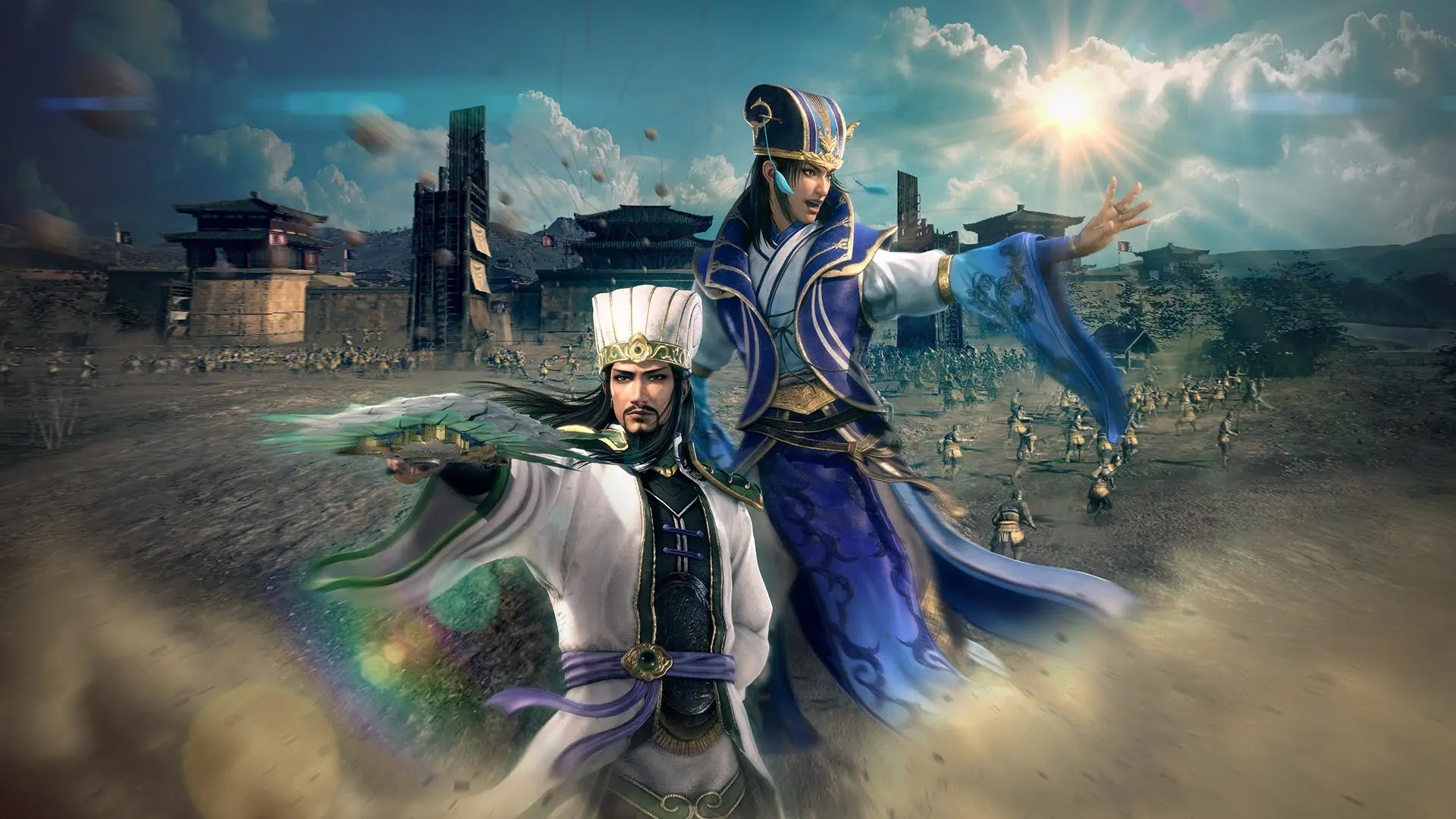
By now the Warriors games are pretty familiar to most gamers, even if their combat-heavy style of gameplay is not for everyone. The Empires titles are a more strategic take on the series. Thankfully the story of the Three Kingdoms is still an engaging one for me, making Dynasty Warriors 9 Empires a largely enjoyable return to the series for me.

Dynasty Warriors 9 was a divisive entry in the series. When you’re talking about nearly a dozen games where the primary narrative doesn’t change a lot, it’s hard to fault the developers for trying to come up with some new hook to keep fans coming back for more. The big play in Dynasty Warrior 9 was an open world that I liked more often than not, but probably looked better on paper than it did in its actual execution.

I have always preferred the Empires games to the mainline series. Not that I don’t enjoy the one versus many approach of the core Warriors titles, but the Empires games add a nice layer of strategy to the proceedings. Your established character can be a leader or a top officer who has to focus on a variety of different tasks outside of simply combat. There is relationships to build (primarily managed through the ‘stroll’ option – a friendly walk that enables you to find warriors and chat with commanders), war councils to plan upcoming activities, fundraising, scouting… the sort of thing you see in a lot of strategy titles where you have more options than time to do it all, so you need to prioritize against your current situation.

However, we still have the core combat that takes place as well in tried and true Warriors fashion. One of the things I was somewhat surprised by was a return to the series’ roots. While I appreciated the way Dynasty Warriors 9 tried to make the world seem more alive with its open world approach to things, it was often lacking in direction. There is something comfortable and familiar with the more structured arenas generally found in the series, and despite the ‘9’ moniker here, open world has been traded in for the more scripted, confined stages that the series is known for.

To that end, the combat is flashy and fun, but not terribly deep. Most of the time you’ll be pressing one or two buttons in rapid succession, stringing together lots of hits while sprinkling in some more powerful special attacks now and again. If you are familiar with Musou gameplay, you have a pretty good idea what to expect here as your character is considerably overpowered for about 99% of the enemies he or she will encounter. One of the cooler elements are the plans / strategy options that can be unlocked and dictate how your troops approach the battle.

They’re a nice touch when layered onto a combat system that by now, you either like or love. There is not a lot of middle ground for most people, in my experience. By nature, I’m a grinder. I grind in RPGs, sporting titles and I actually enjoy the general sense of progress that comes with items and experience and makes the combat rewarding. That being said, I know there is a segment of the population that finds the combat to be repetitive. That being said, this is one instance of the Dynasty Warriors 9 heritage working against this game, as I enjoyed the combat of Samurai Warriors 5 far more.

I enjoy the amount of control I have not just with creating my character, but how the actions taken feel as though they are carving out a unique slice of narrative that is part of a much larger, long-established story within the Three Kingdoms. While this part of the overall presentation works well, there is a second aspect of how being built upon Dynasty Warriors 9 works against Empires here. Visually this title underperforms in almost all aspects.

This is based on an engine built for a game released a couple of years ago now, before the PlayStation 5 was really a thing. I don’t feel that Dynasty Warriors 9 Empires is making great use of the hardware, as textures pop in somewhat weirdly and there are times where the character animations feel far stiffer than they should. Also, it just feels like loading screens are more prevalent than I would have expected. Again, it seems like a lack of optimization.

Those are some unfortunate warts, but the addictive quality of the Warriors games – and this Empires branch – are too much for me to ignore. The gameplay loop is still very satisfying and the strategy elements add a welcome layer of depth that was missing in the last Dynasty Warriors release. I can pick at this title’s various faults, but in the end? I still played it a lot and generally enjoyed it despite its flaws.

Summary

Dynasty Warriors 9 Empires is an improvement on the last Dynasty Warriors game, but that has more to do with my love of strategy and management than anything else. Given the divisive reception to the last mainline game, I understand why they moved away from the open world, but it does leave this entertaining game with oodles of potential in something of an identity crisis as well.

What’s here is fun, and I am always up for some Three Kingdoms strategy and combat, but I can’t help but look forward to the next iteration that is built specifically with the PS5 hardware in mind.

Score: 7.75 / 10


Share:

Ninja Gaiden: Master Collection - XB1 Review


Ninja Gaiden: Master Collection by developer Team Ninja and publisher Koei Tecmo AmericaMicrosoft Xbox One review written by Nick with a copy provided by the publisher.

Estimated reading time: 5 minutes


Ninja Gaiden: Master Collection brings together three incredibly challenging, classic action games. Given the rise in popularity for challenging video games in a post-Souls world, it seems fitting that these titles would see a re-release that should appease fans of these titles or those who enjoy difficult action games and may have missed these titles the first time around. The collection itself doesn’t bring a lot of new frills to the packaging, but the games themselves are still fun to play.

Specifically, you are getting Ninja Gaiden Sigma, Ninja Gaiden Sigma 2 and Ninja Gaiden 3: Razor’s Edge. For those unfamiliar with the names at play here, just know that these are the enhanced versions of the original games just… re-enhanced? What this means is we get souped up visuals, complete with 4k and 60 frames per second with most of the DLC and modes (but not all) that were part of these earlier packages. However, with a lack of online features and nothing additional added besides the games (many collections bring new features, some developer videos, behind the scenes artwork, etc to the table – but not Ninja Gaiden: Master Collection) themselves.

To me, it has always been interesting to see how these games evolved from the original Ninja Gaiden games (both the arcade beat-‘em-up and the NES action / platformers). This series has always been punishing, just in different ways. The arcade game was meant to devour your quarters, and it did so in typical fashion – throwing tons of enemies at you and watching them inevitably chip away at your health and your life savings. The NES titles were a different kind of brutal, with heavy platforming elements that forced you to memorize enemy patterns and make pixel perfect jumps and attacks to avoid often plummeting to certain death. What made these titles so interesting was their heavy reliance on narrative. I still remember being in awe of the many cutscenes. They were just cool to watch, and the music was often fantastic. I can’t tell you how many times I beat those games just to relieve some of the cooler story moments again.

Then the series saw new life as something new. It had the many enemies of a beat-‘em-up, but still relied heavily on precision reflexes and timing. The Sigma versions of the games made things a little easier (mostly through reducing the number of enemies being thrown at you at any given time). The story still follows Ryu Hayabusa, though the narrative certainly feels stiff by today’s standards. These three titles never really hung their hats on storytelling, but the stiff dialog and sometimes odd camera angles are where the Ninja Gaiden: Master Collection shows its age most prominently.

View a short action video here: https://store.steampowered.com/app/1580780/NINJA_GAIDEN_Master_Collection_NINJA_GAIDEN/

If you look beyond those aspects however and focus on the combat – which is what these games really wants our attention to be anyways – odds are you will find a lot to like here. You don’t just button mash away like in a brawler. You need to be fast, but also careful and intentional at the same time. There are minor tweaks to the controls from one game to the next, but the core system is about using different weapons and upgrading your abilities, adding layers to Ryu’s combat options. Each newer game in the series feels just a bit smoother, making even basic actions such as defensive maneuvers more fluid. There are certainly periods where I was able to put my reflexes on autopilot as I got further into the games and found my groove – but caution is still required. However, new enemies do force you to study them just a bit to make sure you learn how to properly deal with them. You need to block, dodge and counterattack, and to this end all three games serve up platters of bloody, flashy goodness.

The aforementioned DLC touches on some nice additional features as well. Costumes, modes, other characters besides Ryu and more give these games some replay value outside of difficulty and achievements. Those are nice touches, but it still has me wondering where the other ‘collection’ extras are at. Also, as popular as those first two games in the series are, Ninja Gaiden 3 is often viewed as something of a stepsibling to the others. It makes sense to include it in this collection, but many fans chastise it for being far easier than the first two entries. That being said, the third title was the most advanced in terms of its presentation, and it sure is flashy and fun to look at with this new gloss of paint.

Summary

The Ninja Gaiden: Master Collection is a fun trio of games that will challenge most action fans while providing plenty of gore and flashy combat. There are times the games remind us that this series kicked off in the mid 2000’s, with camera angles that can still aggravate and a narrative that has not aged particularly well. Thankfully the combat is as fast and fun as ever, despite not really adding any extras to fully round it out as an actual collection.

Score: 7.25 / 10


Share:

Atelier Lydie and Suelle: The Alchemists and the Mysterious Paintings DX - PS4 Review


Atelier Mysterious Trilogy Deluxe Pack: Atelier Lydie and Suelle: The Alchemists and the Mysterious Paintings DX by developer Gust and publisher Koei Tecmo AmericaSony PlayStation 4 review written by Richard with a copy provided by the publisher.

Estimated reading time: 12 minutes


Here we are again, with the third and final installment in the “Mysterious” Atelier trilogy: Atelier Lydie and Suelle: The Alchemists and the Mysterious Paintings DX. With a pair of new alchemist main characters, the twins Lydie and Suelle, as well as a large cast of returning characters, and some you may recognize from elsewhere, we get to delve into the last of the Mysterious DX pack.

Atelier Lydie and Suelle is about the titular main characters, Lydie and Suelle, trying to bring life to their failing atelier, and wallets. Raised by their father after their mother passed away, they've been struggling to make ends meet. Between their not-so-competent alchemist/artist father failing jobs, pushing them off on the twins, or spending all their money on art supplies, and their cousin Lucia who runs a more reputable alchemy atelier, things aren't looking so great. But thanks to the recently announced “atelier ranking system” sponsored by the local royal family, more alchemists are drawn to the city, giving the twins not only a teacher, but also a little financial backing as well.

Atelier Lydie and Suelle takes parts from Atelier Sophie and Atelier Firis and combines them while adding a few unique twists. Both combat and alchemy have been changed from the previous two games in the series, so expect to have to get a little used to things again this time around. The alchemy system has become more refined, and the combat has, well, changed I suppose. In addition, the time limit from Firis has disappeared, meaning you can take your time with things. First up, let's take a look at how game progression works in Lydie and Suelle. Before you can upgrade your atelier ranking, you need to make sure that the townspeople recognize your atelier. To do this, you're given a number of tasks.

These can be pretty much anything, including buying things from shops, beating certain enemies, or collecting certain materials. Once you've completed enough, it doesn't need to be all of them, you will earn three “stars”, which means that you can now take the test to upgrade your atelier ranking. These tests generally involve making an item, or items, and handing in enough of them to pass. Sometimes this may also include defeating monsters. Once you have successfully increased your atelier rank, you gain access to a new mysterious painting that you can explore. Rinse and repeat until you're the best alchemists in the land!

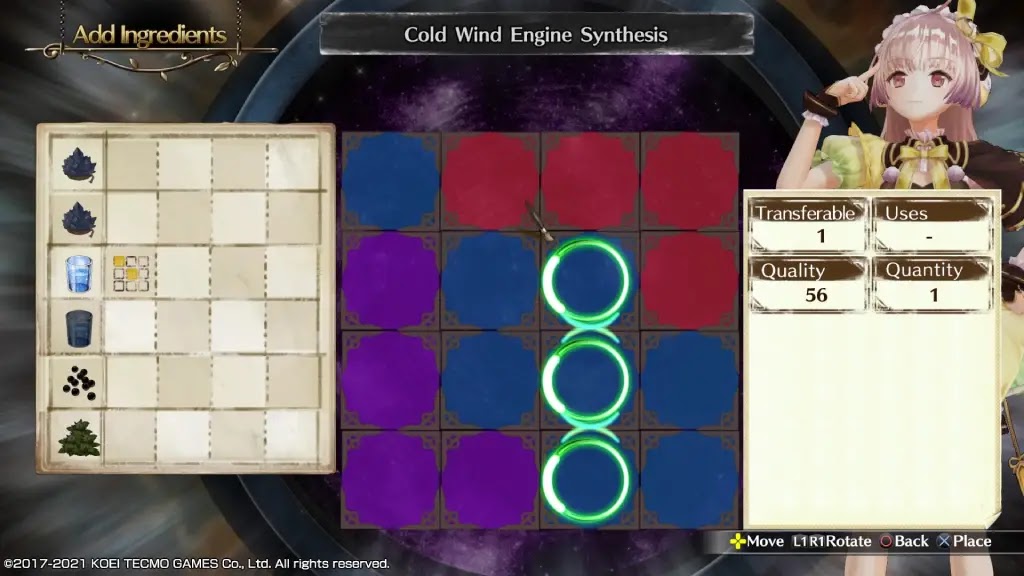
Since the alchemy portion plays such a huge role in the series, let's make it the next item on the list. Alchemy in Lydie and Suelle is pretty similar to Firis, but with a few very noticeable changes. For those who are coming in to Lydie and Suelle without playing the other mysterious titles, alchemy functions by selecting items to throw in a cauldron. These items have different quality levels, as well as traits and different “tile layouts”. After selecting your materials, you place them on a grid and try and fill up colour coded gauges to get certain effects to be produced on the item you're making. Unlike in the previous two games, this time overlapping tiles doesn't completely remove the one you're overlapping, it simply “paints on top of it”, making it a lot easier to not lose large chunks of bonus because you can't fit a small tile on the massive one you needed to place first.

Additionally, items can have multiple tiles associated to them, and you get to place all of them. There are two alchemy techniques you can use to help earn these bonuses on the gauges, one that you can use at the beginning of the alchemy procedure to change the grid you're placing on, which may have bonus points for certain types of gauges, as well as mid-alchemy assistants that can be used to change tile colours. As you perform more synthesis using alchemy, you will earn alchemy exp, allowing you to increase your alchemy level. As you increase alchemy level, you will increase the number of traits that can be transferred from base materials to final products, as well as the base maximum gauge level for the alchemy bonuses.

Now that you've made some items, and hopefully some bombs to take into battle, you can equip those under your harvest equip, as well as any useful equipment for gathering, and head out of your atelier. Exploring the town will have you meet the locals, some you may recognize from Atelier Firis and Sophie, and you can interact with them for special events, visit shops to buy materials and equipment, as well as take requests from the notice board in front of the castle. Once you've paid your neighbours a visit, it's time to set out into the wild! Or at least outside the city walls, or into a mysterious painting.

The areas outside the city walls and inside the painting are pretty similar for the most part. Out here in the wilderness, or inside the painted landscapes you will explore, the sprawling areas are filled with both monsters and materials alike. You can free roam around areas, that may be multiple zones connected through transitions, and pick up as many items as you can carry in your basket. Good news for those coming off Firis, the container has been expanded. While out gathering, you will see glowing spots you can gather from, rocks and crystals and trees you can kick, as well as insect, fishing, and water gathering locations. While the last three require special tools you can make, I am proud to announce the fact that every rock is whackable. For those fresh out of Firis, what I mean is that you have no AP, so you can sit there and kick (as Suelle) or smack (as Lydie) the rocks or crystals until they break, no questions asked. Of course you can use tools to help, but it isn't basically required anymore.

So what about the combat then? Well, as per usual in the Atelier style, combat is turn-based where order is determined by speed, and you have an “order gauge” showing when which character or enemy is making their move. Unlike in both Firis and Sophie, we are down to three party members in a formation. Well, sort of. You have three front line units and three supporters. The supporters can use follow up actions depending on the front line character they are partnered behind, and you can swap between the front or backline on your turn. If a character gets knocked out, the supporter will also come in to replace them.

Other than that, you have a pretty standard Atelier style combat, with: normal attacks, skills, items, defense, change, and flee commands. Items can only be used by certain characters, so make sure you know who can use what before you suddenly are no longer able to throw bombs. Like the other DX titles, you can speed combat up to 2x speed, which is really nice for the longer adventurer level grind. Like in Firis, other characters can protect the twins if they're on the front lines by guarding them, and also enemies have thankfully become a little more balanced. No longer are item spamming strategies basically required like in Firis, although having a number of things to throw certainly helps a lot. After battle you get your money, exp, and hopefully some items, or maybe a chest if you're lucky.

The brand new aspect, and a very interesting draw for Lydie and Suelle, is the function for Battle Mix and Repainting the battlefield. Essentially, after set points in the story you unlock these abilities, and they allow you to synthesize mid battle and tune the battlefield t a mysterious painting effect respectively. Battle mix will take some anima that you earn in paintings, and you can combine it with other items to create new one-off type items mid battle. These can be pretty strong, and are fairly useful as they are incredibly easy to make, at least for the lower tier items. In regards to the repainting, it should be noted that each painting you visit has a passive effect in the background. For instance, a volcano area may cause rocks to fall whenever a fire move is used. Repainting allows you to change the “background” to suit your needs.

Good news everyone, Corneria is back again, and this time she's offering both her services once more! That's right, not only will she refill item uses for a small fee, she will also duplicate certain items for you again! One of the major things that annoyed me from Atelier Firis was having to remake distilled water everytime I needed more. In addition to Corneria's full service coming back, the recipe ideas have returned to the Sophie style, thankfully. All the recipes you can learn will be noted in a book you can find in the main menu, and performing certain actions or gathering set materials will unlock the recipe. After making an item, the unlock conditions for adjacent items will become clear. No more wandering around picking things up with no idea how to actually unlock those thunder bombs anymore. Weapons and armour have a bit of a mix between Firis and Sophie. You make them with the assistance of the local blacksmith, Hagel, a friendly returning face that I haven't seen in far too long. You give him the materials, select the traits you want, and congrats, your gear quality is the material average. Other than the standard crafting, you can also equip two different sub-cores to your weapons that will provide different effects based on the sub cores used.

As you may expect from a title focusing on paintings, the art style and scenery really does feel quite improved from Firis' journey. There are many unique and well-painted environments to explore, and with the mysterious paintings, this means you can travel through flower gardens, volcanoes, or frozen mansions and it doesn't feel out of place. There are a bunch of cut-in CGs that are really nice to look at, and probably most important of all: the character animations feel and look a lot smoother, and seem to have much more variation than the previous titles. Also, I'm very pleased to announce that the music, as I've come to love and expect from the Atelier series, is once again really great. If it's one thing I can't stand, it's listening to an awful soundtrack for five hours while trying to grind out rare materials or levels. Thankfully that isn't an issue here. Also as a bit of an aside, I'm pretty sure that the area themes are slightly different depending on whether you have Lydie or Suelle as the on-screen character.

If there's anything to really complain about, it's that I don't know how to feel about all the items included at the start of the DX version. Yes, it's nice having a high quality Dunkelheit with some really good traits, but the amount of times I was tempted to use the gifted items in the early game was a little much. Although based on the boss in chapter 6, there may be a reason for that, good lord that was tough. As a sort of last comment, I'd like to talk a bit about Lydie and Suelle, the characters. While Lydie is a very traditional alchemist (low defence and damage, primarily support and item user), Suelle is very much the opposite. She is a good front line fighter, active, and her battle skills are really handy. She can also chuck a lot of different item types as well. She's also the only main character in the Atelier series to use guns instead of a staff as her weapon. Together I found that it was really easy to draw traits or aspects from one of the twins to complement the other, or to introduce ideas or concepts that may not fit with just one of their character traits.

As my last notes here, I'd like to talk about the mysterious trilogy as a whole. I really enjoyed this trilogy from start to finish. Even as I was getting alchemical burnout from going for the platinum trophy for all three games, it still had enough draw to keep me around without getting exasperated. And considering the end game grind is pretty similar across all three? I'd consider that pretty impressive. The voice acting across the trilogy is a bit all over the board though, as Sophie was great, Firis was disappointing, and Lydie and Suelle had no English option. The characters were all pretty unique and interesting in their own right however, and it was really nice to see so much cohesion between the characters across the trilogy. In terms of what the DX version has to offer? Well, all the DLC if you hadn't picked that up with the initial releases, and a few bonuses and costumes. The real big part though? The run button and increased battle speed. As much as I love the Atelier series as a whole, sometimes the battles can drag on and attack animations can start grating on you the third or fourth time you're attempting a boss. With up to 2x battle speed though? Not an issue. While some of my favourite music from the series has to be from Mana Khemia, the Mysterious trilogy is right up there in second place. Hands down some of the best full OST lists I've heard.

Summary

Overall, I quite enjoyed my time with Atelier Lydie and Suelle: the Alchemists and the Mysterious Paintings DX. While it was disappointing to be the only title in the trilogy without English voiceovers, the changes to the battle system and alchemy synthesis were very well appreciated. Combat was fun, synthesis felt good to perform, and the recipe book was a lot nicer than what you had to contend with in Firis. The increased battle speed was a welcome gift, the returning characters were great, and it was wonderful to see Hagel again after such a long time. While I would suggest playing the previous two titles before this one if you haven't before, you still won't go wrong picking this title up on it's own.

Score: 8 / 10


Share:

Random posts

Our Streamers

Susan "Jagtress" N.


S.M. Carrière

Aldren


Affiliates

JenEricDesigns – Coffee that ships to the US and Canada

JenEricDesigns – Coffee that ships to the US and Canada
Light, Medium and Dark Roast Coffee available.

Blog Archive

Labels