• Culdcept the First - Xbox Review

    Culdcept the First (also attributed as Culdcept the First Saturn Tribute) is a very fun game, that does show its age. This is basically a re-issue of the 1997 Sega Saturn game that mashes together deckbuilding (think Magic: The Gathering) and boardgames (such as Monopoly).

  • NBA 2K27 - PlayStation 5 Review

    With these annual seasonal renewals of the sports season comes the related video games as well, and the question reviewers such as myself always face is this: Is this year’s game worth purchasing one year after the last one? My answer? Yes, absolutely. NBA fans are going to almost certainly enjoy NBA 2K27.

  • Midnight Moments - PC Steam Review

    Midnight Moments is a cozy cyberpunk diorama-building game that is stunning. Unlike games that require you to complete quests or take out assailants or even solve challenging puzzles, this one only requires one thing: imagination.

  • Isle of Reveries - PC Review

    Isle of Reveries is a top down 2D action adventure game that made my nostalgia for old school Zelda games flare up really hard. A good blending of puzzle, exploration, and combat, Isle of Reveries is a wonderful title to experience inside and out.

  • Outbound - PC Review

    Let me tell you about this cozy game my daughter and I are playing together called Outbound. Now, I've been following this game from the initial Kickstarter back in April 2025 to its full release in May 2026. The best Mother's Day gift for myself and my first ever collector's edition in a physical copy!

  • OVER REQUIEMZ - Nintendo Switch Review

    In OVER REQUIEMZ Yuhiru is thrown into the castle of Oz and is immediately accused of trying to assassinate the King and shoved into the dungeon. Not only is she treated like a criminal...

  • Dread Delusion - Xbox Series X|S Review

    Today we’re looking at what has rapidly become an absolute favorite in the open-world RPG genre for me. An interesting story, memorable NPCs, stunning visuals, and a setting absolutely dripping with flavor, Dread Delusion sets its tone immediately and sticks with it.

  • NHL 27 - PS5 Review

    ...and I have been playing NHL games since. It didn't matter whether it was EA or another game like 2K in the 2000s; I loved hockey games and still do, but is NHL 27 a step in the right direction?

  • Asdivine Knot - PS5 Review

    Asdivine Knot is the latest title in the Kemco JRPG library. Following protagonist Verselio, who's on the run from the church that they once served, he'll be accompanied by an odd selection of party members as they all find a reason to band together…

  • STEINS;GATE RE:BOOT - PC Review

    Our story begins in Akihabra, Tokyo Japan. The protagonist Okarin… Or rather Rintaro Okabe, (Voiced by Mamoru Minyano) is a recent high school graduate who rents an apartment with his best friend and resident computer hacker, Itaru ‘Daru’ Hashida (Voiced by Tomokazu Seki) during the summer of 2010.

Showing posts with label Marvelous Inc.. Show all posts

Silent Hope - Switch Review


Silent Hope by developer Marvelous Inc and publisher XSeed GamesSwitch review written by Richard with a copy provided by the publisher.
 
Estimated reading time: 9 minutes
"...!"
"..."
"!!!"
"...?"

A land bereft of voices, where you cannot speak. An abyss filled with malice on the Kingdom's edge. Seven brave heroes arrive, ready to aid a princess in returning the voices back to the people. Oh, there's a lot of monsters down in that Abyss by the way. Have fun traversing it in Silent Hope!
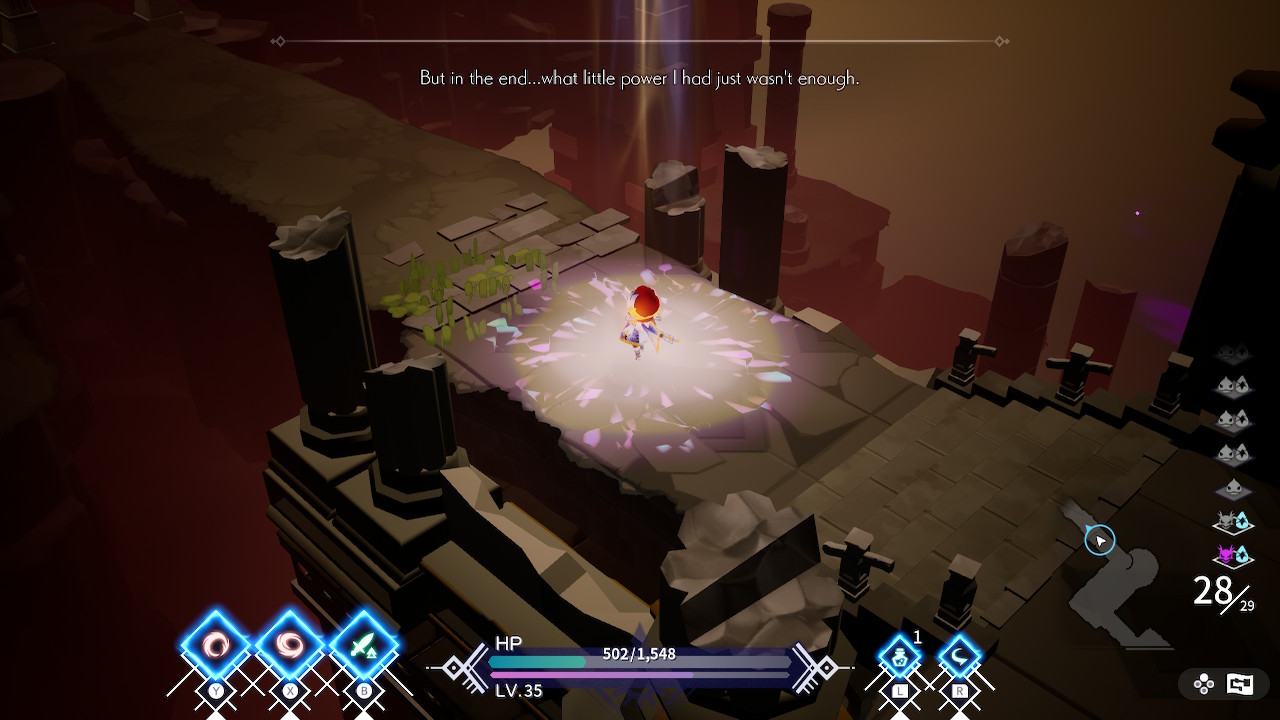

Long ago a kingdom experienced a tragedy. After this tragedy, the citizens blamed their king, and turned their words against each other. The king, distressed by what his once-kind citizens had become, sealed away their voices and threw himself into the Abyss. Three hundred years later, seven heroes arrive at the mouth of the pit leading to the abyss. Meeting a princess trapped in a crystal tear, the seven heroes who have gathered are tasked with clearing the layers of the abyss, reaching the bottom, and recovering the voices of the kingdom from the king.

Your seven heroes, yes they're all you, now have to venture through the abyss after setting up an encampment near the princess's crystal. The only problem is they haven't exactly brought much along with them. No worries though! The abyss is chock full of interesting creatures, plants, and minerals to help you out! The standard gameplay loop for Silent Hope will have you making a delve into the abyss, returning to collect completed materials and start production on new ones, crafting gear and food, then heading back into the abyss.

So, while six of the heroes are setting up the hub area for your return, let's take a trip into the "only one person at a time" abyss. The abyss is essentially a roguelite type dungeon, where every time you enter there is a new layout, albeit with some exceptions. Your goal is to keep moving down floors until you reach the bottom. This can be done either by killing all the monsters in your way on the way down, running by as many things as possible and avoiding combat when an option, or a combination of the two. If you do go about beating up the things in your way, you'll earn exp, as well as maybe items, runes (which are the currency used in Silent Hope), or equipment blueprints and food recipes. Some floors have gates barring entry to the route downwards, some require you to fight through rooms that will spawn a number of enemies while you are trapped in a room, and some are boss or miniboss fights.


So, the abyss comes in layers, with each layer having a set number of floors, with some of those floors indicated to you if they are a special or normal floor. Don't worry by the way, there are plenty of return crystals you can use, as well as the occasional checkpoint that you can choose to go back to when you return to the abyss. Dying in the abyss isn't super awful either, as while you do lose some items you've collected, you are returned to your camp area with all your equipment and levels intact, although you will have to start again from the nearest checkpoint.

Now that you've made a trip into the abyss and brought some spoils, it's time to take a look at what the other six have been up to in your absence! First up on the left side of base, they've set up an Atelier and Workshop. These two facilities allow you to turn minerals and wood based items into crafting materials, respectively. These crafting materials can then be used at the Forge in order to craft gear such as weapons, rings, and earrings, one of each can be equipped by characters. Something to note is that it takes time for the materials to be turned into crafting materials, while equipment is an instant completion item. On the right side of the base we have the farm, the fields, and the kitchen. These are similar to the left side, only result in the creation of food items, up to three of which can be set that will give you a boost on your next run through the abyss.


In the back of the base you'll find the princess trapped in her crystal. You can talk with her, the only one to retain her voice, and she will help you appraise unknown blueprints you find in the abyss, change your characters' classes, as well as check and turn in missions for rewards. Classes are individual to each hero, along with specific weapon types that are unique to the individual heroes, and have different stat distributions and unlockable skills associated with them. Once skills are unlocked they can be used on any class.

Before we go back into the abyss to teach you some of the combat basics, I do want to emphasize that each of the seven heroes is very distinct. Their classes, weapons, as well as combat style and skills are all unique to that hero. For example, my personal favourite unit, the warrior, uses a greatsword, has buffing and sword spinning skills that tend to stun enemies, and has the classes: warrior, paladin, and berserker. The caster on the other hand uses a staff, uses skills that are based around magic, and has the classes: caster, sage, and summoner. All the classes, associated skills, and unlock conditions can be checked at the class change menu. 

While this means there are a lot of different characters with cool sets of playstyles, the heroes do have different weapons, as well as levels. So, building all seven heroes at once could be a little rough on you if you want them all to keep pace with each other. There are also other factors to consider, like different effects built into weapon blueprints, and synth stones you can attach to gear to add different effects and elemental attributes.


Well then, let's hop back into the abyss for a bit to talk a little more about the exploration and combat. As you travel through the layers of the abyss, you will come across plants and rocks to break for materials, chests to open for blueprints and runes, as well as monsters to battle for, well, all of the above really. Exploring the abyss is a 3D active action style, where you have full control of your character as you attack, dodge, chug one of your two potions to heal, and use skills. Good news by the way, skills don't consume any resource, and just require a period of waiting time before they're available for use again, something that took me a while to get used to at first. As you level you will get skill points that you can spend to upgrade your skills.

Now, you may be wondering "why use multiple units then if everything is individual?". First up, there are plenty of enemies and bosses that are kind of rough with certain units. Using the warrior as an example, one boss hits hard and fast, so you want to stay far away from them, but if you don't have a character with some ranged skills, you're in for either a long "hit and away" tactic fight or a really rough slog. Second, as the heroes are individual, sometimes you might get really good gear for a hero you don't use and not the one you are currently using. I managed to go almost three full layers without getting a decent weapon for either my warrior or archer, for example. Also, class unlock requirements have to be earned individually as well, so a hero you don't like could have a skill set you may like but will never see if you don't use them. Third, and maybe most important for the more casual player, is that you can actually swap heroes out mid run through the abyss anytime you find a crystal, earning stat boosts when you sub out as you explore.

I'll be honest, if you're only going for a single run on the easiest difficulty, or even a little higher, you can certainly get away with only using one character, but you'll be missing out. Thankfully, since there are six heroes remaining at base at all times, any production requests you have will still be ongoing while you're out! Also, there is a post game and harder difficulties, so swapping out and keeping your heroes all leveled does have its share of benefits.


Silent Hope is wrapped in a neat package that any Harvest Moon or Rune Factory fans will probably recognize pretty fast. Yup, the farming game has an action RPG spin-off, so expect a lot of the same sort of colourful and chibi artstyle that you've come to love. Each layer has its own theme that is reflected in the terrain style and enemies you encounter, and while there is some repetition and palette swapping of enemies, they normally have at least one or two aspects that set them apart from their earlier counterparts.

So, we're nearing the end, but let's talk about a few things that haven't really fit in anywhere else yet. First up, there's a sizeable post-game. By this I mean that there are more unlockable difficulties, as well as extra stages that are unlocked by clearing the game. While some may find it gets a little repetitive, that's what the multiple characters are for. If you're a fan of the roguelite action RPG style then you'll also be glad there's more to it. Exciting news as well, class respecs are completely free and at will. I was a little worried about this when I first started, but after my first class unlock I tried it and it let me completely refund all my skill points, right before a boss that my set-up wasn't particularly good for. This is great, especially since there are a lot of skills I like, but might be situational or not good against large amounts of enemies, or vice-versa.

Now for the two really cool points. First up, your base camp will change to reflect your clearing of the abyss. As you continue to go through new floors, you'll start accruing items in the back near the princess's crystal. Also, your 3rd class will net you a cool wooden figure that gets a shelf you can view, which is really neat. My other really cool point is that the credit sequence is one of the neatest I've seen in quite some time. You'll have to see it for yourself, but I was a fan of it.


Now obviously, as a Roguelite action RPG, this won't fit in everyone's wheelhouse, especially if you consider it can get somewhat repetitive if you don't change classes or try different characters. While #MarvelousEurope didn't really break any molds with Silent Hope, that's not to say it doesn't have its fair share of charm and unique twists and takes on the genre. I thoroughly enjoyed even some of the rougher points while playing through Silent Hope until now, and will continue my harder difficulty runs after this for sure. Definitely take a look at this cool title for either your action RPG or roguelite needs, and I doubt you'd be disappointed.


Score: 8.5 / 10
Share:

Rune Factory 3 Special - Switch Review

Rune Factory 3 Special by developer Marvelous Inc. and publisher Marvelous, XSEED GamesNintendo Switch review written by Jim with a copy provided by the publisher.

Estimated Reading Time: 6 minutes


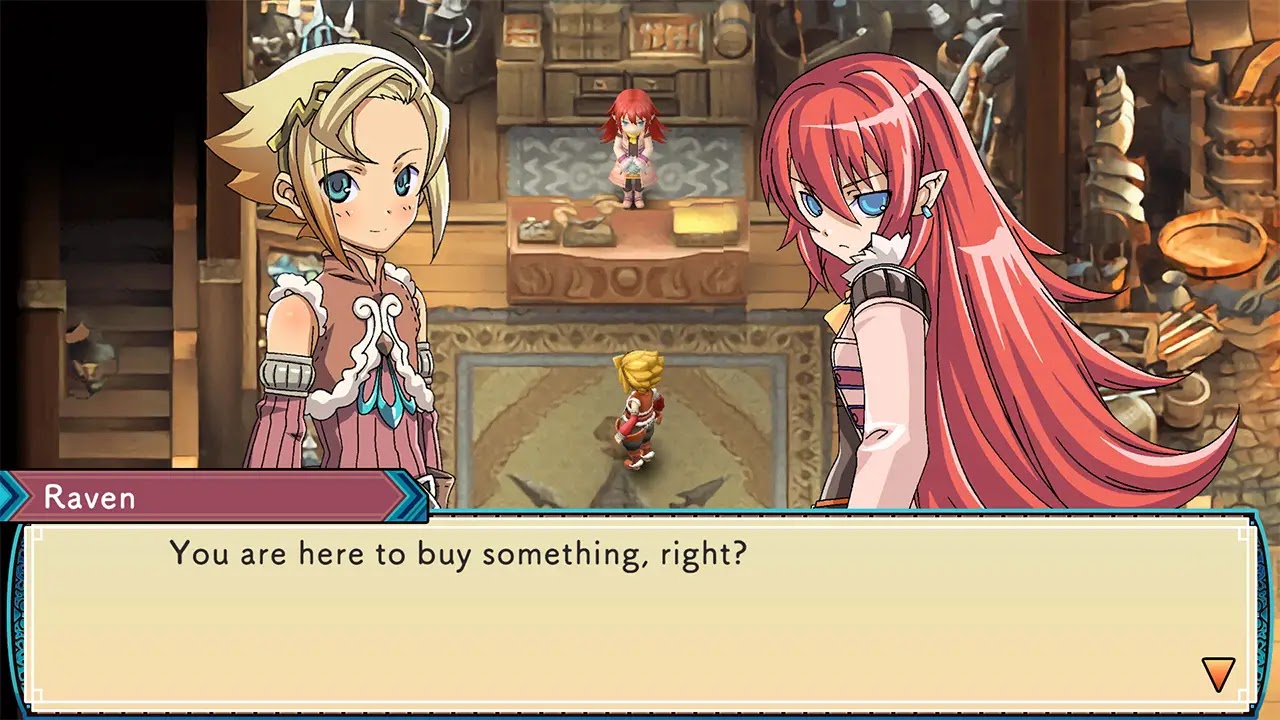
We here at Chalgyr really like the Rune Factory games. Just go check out Pierre-Yves's Switch review of Rune Factory 5, Natasha's PC review, and Nick's Rune Factory 4 Special Xbox One review. I haven't actually played a Rune Factory game since Tides of Destiny on the PS3 but being a fan of Story of Seasons and other such games, I was really excited to try this remake out.

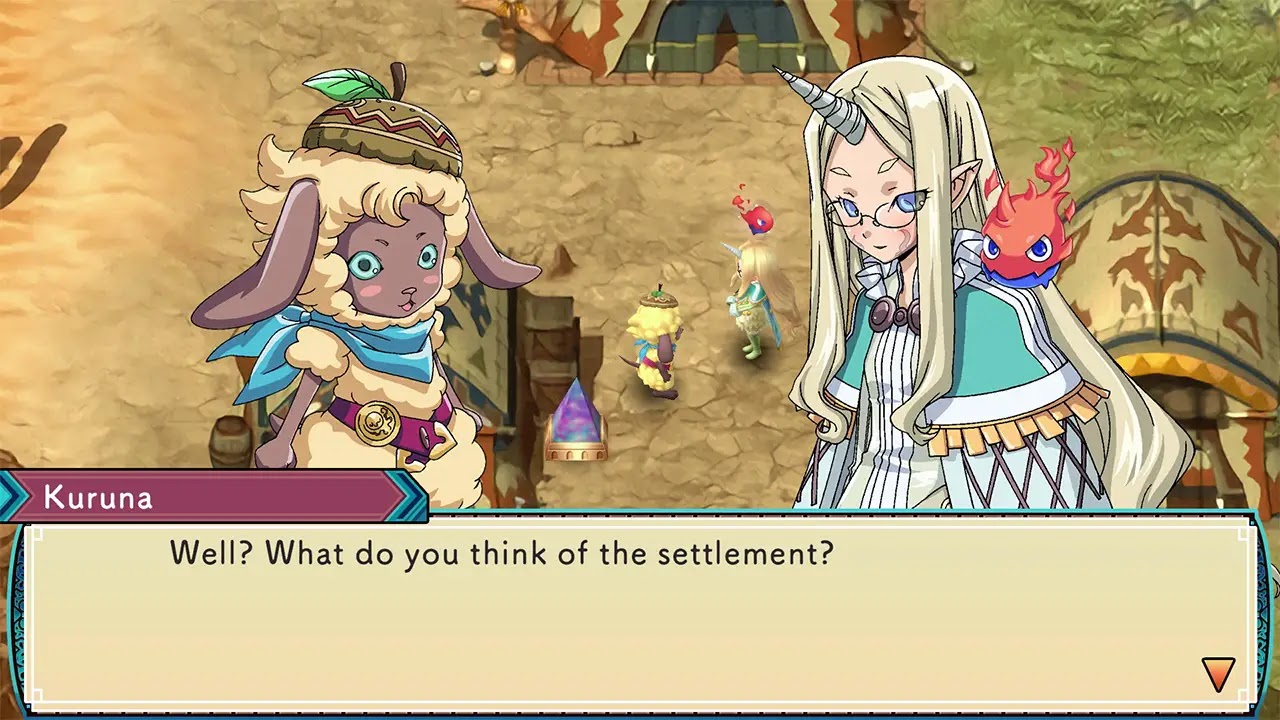
When starting the game like most of these games I have to pick a name for the character, I went with the default Micah. There is no option to play as a female in this game, so for some that may be a bummer. After picking a name I had to put a birthday in for Micah and away I went. Micah is an amnesiac who also happens to be half monster. One of the villagers named Shara finds Micah while he is in monster form and hurt outside. Micah is part Wooly, a sheep-type monster, who is one of the cutest monsters in the games. Shara decided to bring Micah inside and nurse him back to health. Micah wakes up shortly after as a human while no one is around and leaves Shara's house. Shara ends up seeing human Micah and asks if he is a traveler. After explaining he can't remember anything other than his name she and the village elder, Shara's grandfather let Micah stay in the village.

Micah is given a home inside the Sharance Tree and under the tree is a field for farming. After the game goes through all the tutorials on how to farm Micah will have his first fight using a hoe to attack. After beating the first few monsters who attack Micah will be given a choice of a few different kinds of weapons. I went for the two-handed sword but found out it wasn't for me as it was just too slow. I later switched to dual swords and they are much faster and stuck with them for the rest of the game.

There are four different dungeons in the game. One for each season and each with its own boss who after beating Micah gets some of his memories back. After beating the first boss Micah will be able to switch back and forth from his human and wooly forms. Micah must still keep the fact that he is a half-monster a secret so he must make sure he doesn't transform in front of anyone.

While trying to get his memories back Micah also can farm. Micah will be given the tools needed to start farming and from there he can buy seeds from the store in the village or find a few hidden under grasses and weeds that grow in the fields. Micah can grow veggies, fruits, and flowers. Micah can keep, sell, or craft with these. Everything you grow will have a level. The higher the level the better the crop is. There are items Micah can buy or craft to help raise the levels of crops. Micah can eventually buy a kitchen and kitchen tools to cook, a furnace to make and upgrade weapons and farming tools, an apothecary set to make potions and healing items, and a crafting table to make accessories that Micah can wear to boost stats. Micah will need items he finds from defeating monsters, farming, and mining to use for these.

Once Micah has a barn he can become friends with monsters by giving them food. A home-cooked meal works best and by doing this Micah can get byproducts from them like milk, eggs, wool, and other things needed for crafting. Micah can also find these by fighting monsters and they will sometimes drop the item but raising them himself can give you a better quality item.

The rate Micah can get money from selling things seemed to be just right as the pacing of the game seemed just right for me. It is an RPG so there was enough to do as Micah will get requests from the villagers through a bulletin board, Micah's mailbox, and later an owl. Finishing these quests will get you closer to the villagers and Micah will sometimes get a reward from items to money. It's a good idea to take on quests for the girl you like best as there are eleven bachelorettes. All of the characters are charming, even the non-bachelorettes. I enjoyed each one's story from the secrets one might have to just the silly moments you can have with them.

Everything Micah does in the game has a level and as his levels go up the better he will be at things or the more health or RP he will have. Lots of things cost RP: using tools, weapons, and magic. It all takes RP so leveling up lots of things is a good idea. It is easy enough to do though as there really is a level for everything in this game such as sleeping, eating, using tools, crafting, cooking, fishing, you name it there is probably a way to raise the level of it by doing it.

Every in-game month is a season and each lasts thirty days. In that season there will be birthdays that Micah will learn as he speaks and becomes friends with the villagers. Giving someone a gift that they like on their birthday will greatly raise the level of friendship with that person. There are also multiple festivals in a season from fishing, and harvest festivals, to ones with mini-games. These give a nice break from normal farming and adventuring. Winning one of the festivals will reward Micah with items though it always seemed to be cooking bread. Buying or earning recipe bread is how Micah learns new crafting or cooking recipes if his level is high enough.

Once Micah picks the woman he loves he can propose to her and then Micah will be on his last quest. Even after this quest and the credits roll the game doesn't end. There will just be no more story content after. Micah will have a wife living with him and can continue to farm, adventure, and finish any requests from the villagers. The quest on the bulletin board will be random daily. Micah can only do one request at a time and only one type of each request. So, Micah can do one bulletin, one mailbox, and one owl request per day.

One of the things Micah can do is go on what the game calls adventures. There will be a list to pick where Micah should go and each with a recommended level. Micah can get some decent loot from doing these but they can be challenging as the level layouts are always random and if Micah isn't at a high enough level he can get beat easily. Every adventure ends with a tough boss fight. These adventures do nothing to advance a story but they are fun to try out.

Micah can bring along a monster friend or a human friend to help out when you go out. They will level up as you and they defeat enemies. I got around to beating the game without them but you can also invite one of the ladies you like on a date and bring them to one of four romantic locations.

The gameplay is smooth but there are some frame rate drops in certain areas mostly in the fields. For me, there were a few spots that did it and since this is a remake of a Nintendo DS game I think the Switch would be strong enough to handle the game. Other than that one issue I really enjoyed the rest of the game. The music was good, the graphics were good when there were no frame rate issues, the real-time fighting was fun, and the characters were all unique. I loved learning about each one and then had a hard time picking a girl for Micah.

Once the game is beaten, the newlywed mode will be unlocked. This gives you a short story with each one of the bachelorettes after Micah gets married to them. They are short but fun little side stories but they end way too fast. I beat one of them in less than an hour though there are eleven of them and they all unlock no matter who Micah married in the main game. I also thought it was funny when in newlywed mode I picked the wife Micah married in my main game and some of the other female characters were asking if she and Micah had done anything 'kinky.' I wasn't expecting that from this game!

Overall I loved Rune Factory 3 Special and I am not sure how I missed out on it on the DS. I am glad it was remade on the Switch and even though I beat the story I will keep playing. It was a truly charming story with good pacing and fun to play. It felt like the length of the game was just right, long enough to feel like an RPG but not so long that it takes a lifetime to beat. The frame rate issue was the only annoyance but even with that I really liked this game.

Score: 8.75 / 10


Share:

Akiba's Trip: Undead and Undressed Director's Cut - Switch Review


Akiba's Trip: Undead and Undressed Director's Cut by developer Acquire and publishers Marvelous, XSEED GamesNintendo Switch review written by Richard with a copy provided by the publisher.
 
Estimated reading time: 6 minutes
Well now, here I sit again in front of my TV, screaming "GODAMNIT, GIVE ME YOUR PANTS" and "HELL YEAH, ALL THE PANTIES" making my neighbours question what the heck I'm doing. Spoiler, it's playing Akiba's Trip: Undead and Undressed Director's Cut. 


Akiba's Trip Undead and Undressed is an action strip-'em-up released in North America back in 2014. Now coming to a more up to date system with all the DLCs and some bonus content included in the form of the Director's Cut on Switch! Both handheld and console type playability allowed!

Akiba's Trip is the tale of a young man living in Akihabara, the electronics mecca of Japan. After deciding to take part in an extremely sketchy drug trial in exchange for limited edition anime figurines, the main character is kidnapped and turned into a sort of vampire thrall called a Synthester. Lucky for our MC, he gets saved by a girl who turns him into a familiar instead of a common thrall. So, what are you going to do now? Why, defeat the evil "not-a-vampires" that are plaguing Akihabara! And how are you going to do this? By stripping them and exposing them to that dastardly sunlight of course!

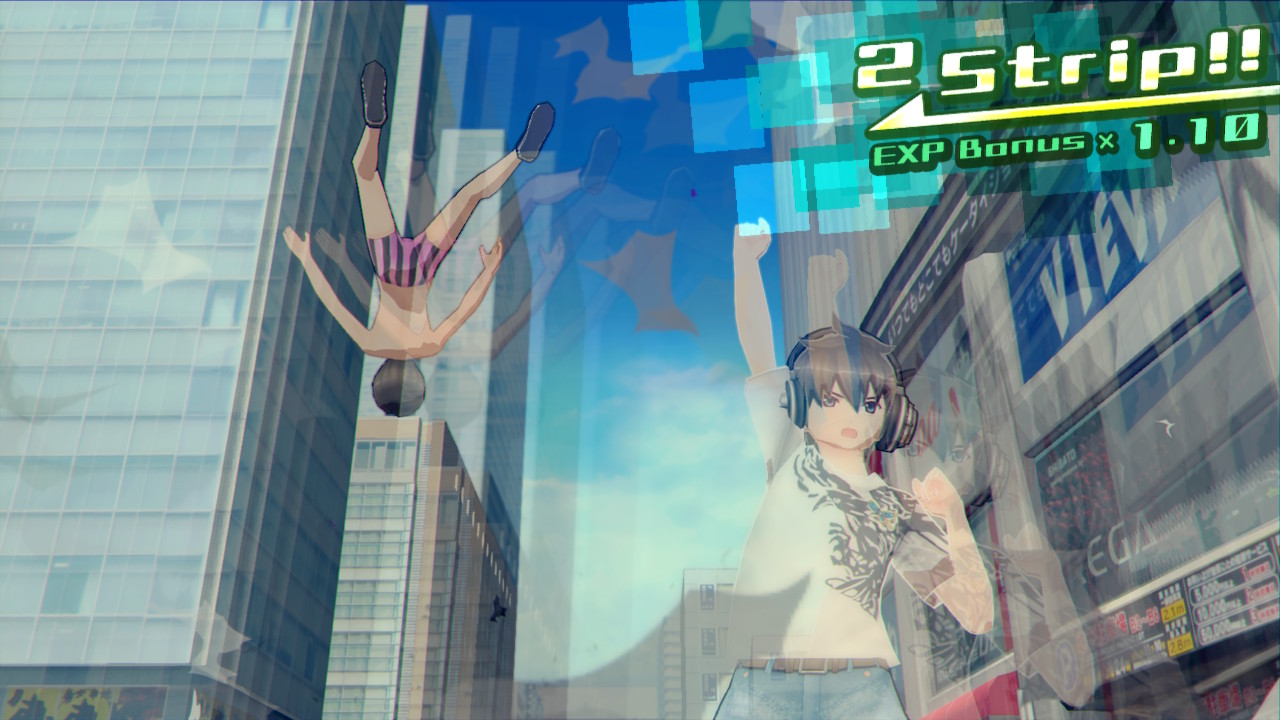
Alright, now I know what you're thinking: "what the heck is this game", and that's perfectly reasonable. But seriously, it's actually ridiculously fun. Pretty much what drives the game is you walking around Akihabara getting into fights with people where you need to beat them up enough for you to be able to remove your enemies clothes. Combat is a 3D action brawler type deal, where both you and your opponents can have three defensive equipment slots: Headgear, upper body, and lower body. Each piece has its own defensive value, and by reducing it to a certain point, you, or your enemies, can strip the clothes off. When someone is out of clothes, they are defeated and may drop their weapon or other accessories for you to equip.


Guess what? Any clothes you strip intact you get to keep! While you might be tearing a lot of clothes to begin with, the more you strip the better you get at stripping without tearing clothes. You can collect these to equip or sell as you need to. You can also unlock an upgrade function where you can get your little sister to enhance your gear by using other gear. Something to note is that every piece of equipment, whether it provides a defensive rating or not, updates your character appearance. You can also equip different methods of stripping people as well as walking styles.

Other than fighting off civilians and manmade vampires? Well, you'll be walking around Akihabara visiting shops to buy pants, or items, or weapons to beat people with, or you could be taking on sidequests in order to earn some money or perhaps clothing. You can also take a trip to the battle arena to test your mettle. Overall, the game is rather simplistic in its approach, which means it's a lot easier to get into the fun.

So, let's talk a bit about some more of the nitty gritty of the beat-'em-up style. As mentioned, there are three defensive clothings, and you can push a different button to attack each piece. The more hits you get within a time frame, you start building a combo which increases your damage rating. You also have a guard which will let you dodge attacks, and you can unleash counter attacks if you attack right after dodging. Now, if you happen to weaken multiple articles of clothing, you can chain strip. Essentially, whenever you strip an article of clothing, you can hit a button prompt to move onto the next clothing item as long as the durability is low enough. Not only do you get bonus exp for this, but if you get a high enough chain, you can even strip the opponent of their underwear! Muahahahaha! You do need to be careful however, as enemies tend to gang up on you, and you can be combo'd in a corner if you aren't careful.


As you are walking around Akihabara there is a lot to take in, from the various characters in weird or interesting outfits, the cosplayers, the stores and locations based on actual real world places, and even flyers that are actually from stores in real life! Well, as of 2013, but it's still cool to see it based so closely off a real place and real shops. There are colourful locales and LOTS of clothing items to...liberate the residents of. 

Good news though, you get a camera function that allows you to scan what people are carrying, letting you know if you've mastered the skill to assure getting their clothing, whether you have that clothing, or whether you have had it at some point so it got registered in the encyclopedia. Taking a picture in scan mode will also let you know if a dude is a Synthester or not. You can then talk to them to start a fight. Alternatively, you can shove people and hope they fight you instead of running away.

The graphic quality is... well, it originally also released on the Vita, so it's nothing too fancy, but you also have a ridiculous amount of control over a lot of game aspects under the Visual Editor. The soundtrack is also pretty good, although I wouldn't say it would win any rewards. Really, what you're here for is campy beat'em up fun, and Akiba's Trip offers that in droves. The game doesn't usually take itself seriously, and neither should you. 


There are a few issues, such as getting boxed in by random NPCs while walking, getting absolutely bodied by large groups of enemies, and if you aren't upgrading equipment, chances are some of the later fights are going to be down right nasty. There are certain mitigations to all this, such as the fact you push NPCs out of the way, a more conservative fighting style, and repeatable side-quests to build money for buying equipment and fusing, or the option to start a new game plus just by leaving Akihabara, but sometimes it can still feel a little rough. 

Now, I'd like to give an extra special mention to Akiba's Trip's New Game Plus feature. Yeah, I know, lots of games have these, what's so special about Akiba's Trip? Well, in addition to bringing over all your items and Encyclopedia entries, you can also freely select your character model, even from the random NPCs. A cool feature to be sure, but the most important? The ability to see what dialogue options are associated with what a character's true ending is. Seriously, this is a feature that more games need to include.

Overall, I have to say that Akiba's Trip Undead and Undressed Director's Cut is a really great title. Now available on more modern platforms, with additional story content and the DLC from the base game included, Akiba's Trip Undead and Undressed will strip the boredom right out of you.


Score: 9 / 10
Share:

Story of Seasons: A Wonderful Life - Switch Review

Story of Seasons: A Wonderful Life by developer Marvelous Inc. and publisher Marvelous Inc. & XSEED Games—Nintendo Switch review written by Jim with a copy provided by the publisher.

Estimated Reading Time: 6 minutes.


Ever since I bought Harvest Moon: Back to Nature on sale at a Target years ago I have been hooked. I loved the game back then so much I had played, if I had to guess, over a hundred hours in it. Now when I see any game named Story of Seasons or even Harvest Moon or anything like it, even like Stardew Valley, I just have to try them. Story of Seasons: A Wonderful Life is a remake of Harvest Moon: A Wonderful Life that originally came out for the Nintendo GameCube and was another one that I enjoyed back then. I remember playing it with the window open in my room with a cool spring breeze coming in and I would play for hours. That was back in 2004 now nearly twenty years later we get a fresh take on the game.

For those that have never played a Story of Seasons game, it is a life/farm sim. Some of the changes from the original are in this one where you can pick your pronouns from he/him, she/her, and they/them. This doesn't affect the game much as no matter what you pick you can romance one of four men or four women. There is also some character customization you can do before the game starts and during the game. You start with a small farm with two fields, a barn, a coop, and a pasture. One field isn't very fertile while the second is a bit more fertile and will give you better crops. You start the game with a cow that Takakura your father's best friend and who lives in a cottage on your farm gifts you. You will also be given a dog who you can pick from two different looks. 

The game gives you plenty of tips on what to do like watering your crops twice a day, feeding animals, and using the tools you need to farm. For me, the game started a little slower than I remember. I had two fields full of crops, a chicken, a cow, and a horse that you get shortly after you start. Even with all that I found I still had a lot of time in the in-game day to do other things. You can fish once you get a fishing pole, talk to the villagers, get a daily recipe from the nature spirits, go dig in the mine for artifacts that you can sell, or gather flowers and wild herbs. But these artifacts can not be put in the shipping bin for Takakura to sell for you, however one of my favorite parts of this game is it lets you open your own shop stall in town. Also in town, you will find a bulletin board where you can find requests from the villagers for anything from crops, eggs, milk, fish, or even a cooked dish. I'm sure there will be other things too later. You will get rewards for completing these, but you only have so many days. The rewards can vary from seeds to wild herbs among other things.

Oddly enough the game never told me how to do this but by memory luckily I found the spot. Here you can pick a few items to sell and villagers will come and stand in front or to the side of your little stall. You talk to them and they will ask about an item that you can sell for full price or give a discount. Every villager will only buy a certain number of items. Three for most so talk to them more than once. Some will only buy one or two items and some will only buy if you discount it. You can sell just about anything this way but takes it takes time and sometimes villagers won't walk by for some time. There is another way to sell your unwanted items. Every four days a man named Van will stop by the village and set up his stall where you can sell just about anything. Also you can buy special items from him like upgraded tools. The only things you can buy at any time in town are seeds and food to eat right away at the cafe. 

There are three different kinds of crops: tree crops that can grow any time but will only bear fruit at certain seasons, flowering crops that grow above ground, and root that grow below ground. The only ones I see that made a difference are tree crops as they take up more space and don't need to be watered. Each crop takes different amounts of time to grow so best to keep an eye on what seasons they grow or they may wither away on you.

When a villager's happiness is high enough there will be small events that will play out sometimes giving you the option to pick what to say and sometimes you just read what they say in little cut-scenes that tell you more about that village and who they are. There is also a festival once every month. By doing these you can get closer to the person you are trying to hook up with or if you're already married you can go to the events as a family. Again these are just little cut-scenes other than them asking you to bring food to one and an ingredient to another other I do wish they were a bit more interactive. Even Back to Nature had interactive events every month and more of them than just four.


The game is played in chapters and in the first chapter where you just get started the story wants you to get married by the end of the first year. This is pretty easy by giving gifts to your favorite and then giving them a blue feather that you will get after a bit in the game. There are four seasons in the game and each one counts as a month and is ten days long. These short months help push the story of the game along, but can also come as a surprise to anyone who has played a story of seasons before as months are usually longer. 

Once you get married at the start of your second year you will get a child who starts as a toddler. You can pick if it's a boy, a girl, or either for a random choice. I picked either and got a son who I named Aiden. You can interact with your child and carry them, snuggle, toss and catch them, or sing them a lullaby. You will also be able to buy some toys for your child from Van once he has them in stock. Your wife will also help out with watering the crops a few times and this does come in handy as the second year picks up a bit where you can buy a third and even better field. 

By this time you might have more than one type of cow on the farm each with their own milk type, ducks, chickens, sheep, and goats. So even though things started slowly you may be having more to do once the second year comes up. You will have to watch your stamina, energy, and fullness. By doing things like watering crops your stamina will lower at first. The only way to make this go back up is to eat which will also raise your fullness. Run out and you will pass out for a few hours. After the first year however your home will have a shower and that will restore your stamina. I couldn't figure out what energy was, but it did lower and I could raise it by buying an item from Van.

I was also surprised to find some mini-games thrown into the mix like a strange line game where you try to make triangles and block your opponent from making ones of their own. I was really bad at this! There were a few others too that were easier. It just seems like most of this comes after the first year including new villagers. Also, starting later in the game, you can start to mix seeds and crops with other crops and certain flowers from an interesting NPC. Now you can make new kinds of crops by mixing them with others!

I have played a lot of this game and I can't wait to see even more of what will happen and how my son and family may grow over time. Even though things started slow I was quickly reminded why I loved the GameCube game all those years ago! Story of Seasons is a relaxing, and clean, game that I still love to this day, and it was only made even better by the additions and fixes this updated version made.


Score: 8.5 / 10


Share:

Rune Factory 5 - Switch Review

Rune Factory 5 by developer Hakama Inc. and publishers XSEED Games and Marvelous Inc.Nintendo Switch review or preview written by Pierre-Yves with a copy provided by the publisher.

Estimated reading time: 11 minutes 


The latest in the Rune Factory series is finally here and it was worth the wait. Combining elements that would seemingly contradict one another, a casual farming experience alongside an action adventure RPG, that couldn't be further from the truth. Well married together in terms of style, it's up to you to figure out if you stay single or get married while taking care of this small town's problems while raising crops across the seasons.

The previous entry of Rune Factory 4 was a lesson to people outside of video game development that even if you do everything right, a studio may still have to close its doors. Acquired by XSEED Games sometime later, there would be a bit of a happy continuation as the Rune Factory series would see new life with Rune Factory 4 Special on the Nintendo Switch (Pierre-Yves’ Switch review and Nick's XB1 review). This was great for both longtime fans and a new generation of gamers growing up with the Switch and the story of the series now continues with a brand new entry.


Continuing on our history lesson for just a little longer, for those coming into the series now, Rune Factory is a spin off of the once Harvest Moon now Story of Seasons which itself continues to move forward with remakes of Friends of Mineral Town (Jim's review) and brand new entries like Pioneers of Olive Town (Pierre-Yves' review). While still having farming elements, Rune Factory is also an action adventure RPG with exploration, monsters and boss fights on top of the day to day chores.

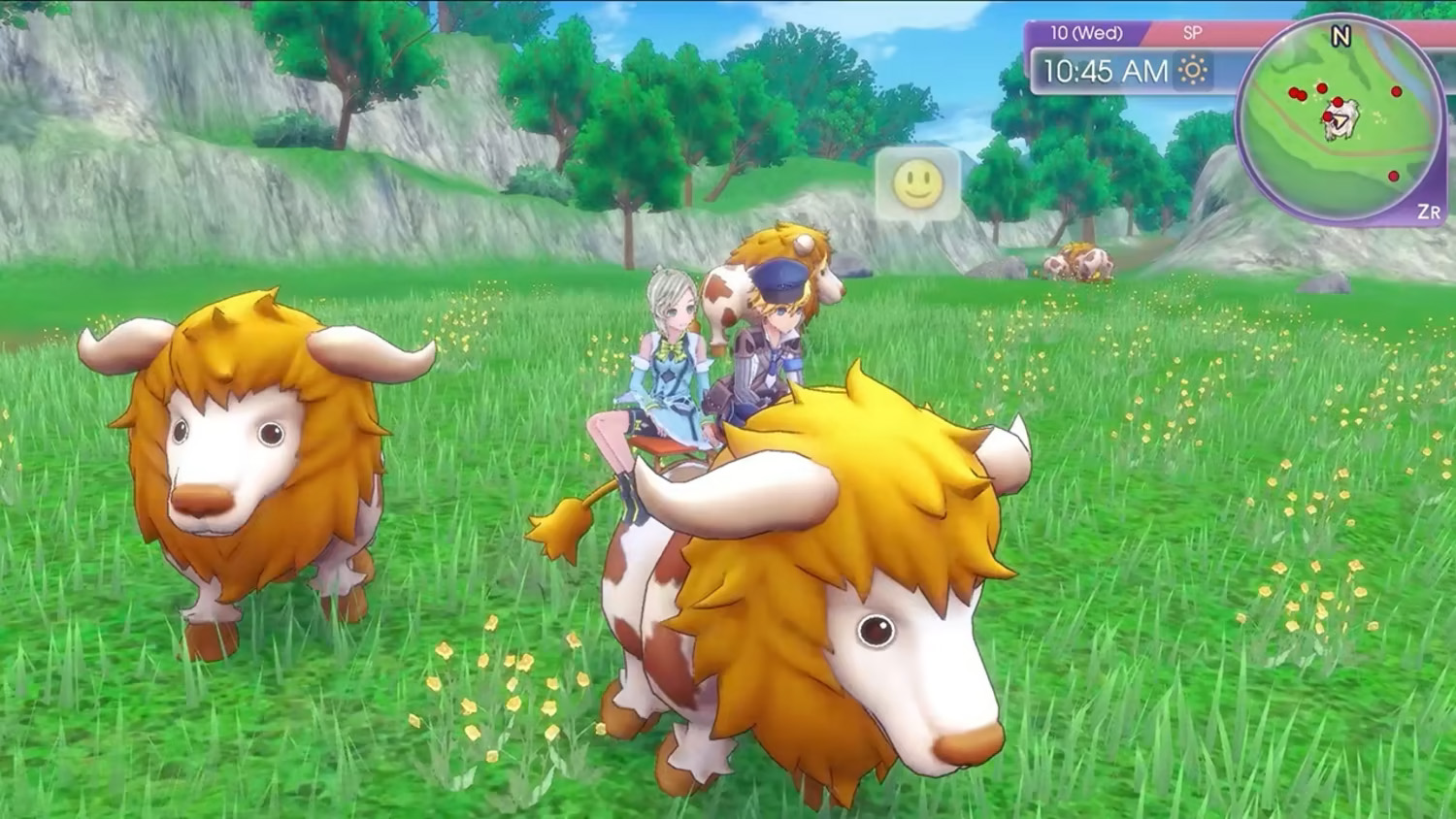
Moving onto the reason that you’re here, Rune Factory 5 is both fun and relaxing which is funny when you consider the hard labor of farming and the perils of adventuring into the wilds. Starting off with a classic trope of an amnesiac protagonist, you can select their binary gender which, while not affecting much overall in the story, will affect your marriage candidates if you choose to pursue that path. If not, there’s nothing wrong with staying single as there’s still plenty to do both at home and out in the wild!

Starting off with your at home activities, while not remembering who you are may put a dent in remembering what you were up to in life, the town of Rigbarth that you find yourself in was more than hospitable in giving you the second floor of the local SEED headquarters. SEED are an organization that can be considered protectors of the people that patrol borders, towns, keep people safe and take care of more dangerous missions especially when dealing with monsters. It also just so happens that with this room and board, SEED is also your new employer.

While giving you a place to stay, a job which serves to move the main story along and a quest board to help out the local townspeople with small things, you are also given a plot of land in the back of the headquarters which has definitely seen better days. Once it’s been cleaned up however, it’s a fair sized plot of land in order to plant vegetables to sell for profit as long as you keep up with your daily duties of watering your crops and harvesting them once they are ready.

Now perhaps my favorite feature, and I hope to see this more down the line, were the more accessible options while farming. Instead of the usual, plow one square, move to the next, plow that one, move to the next, etc., etc., etc., you can plow, sow seeds or water a field by simply hitting the action buttons and your character will automatically move to the next square available for that action. While using the same amount of stamina to do it, it speeds up the process allowing you to get to everything else so much faster. The same can be said for your crops that you can pick up in batches and while targeting your bin, shoot for a three pointer and not even have to walk all the way over there. It sounds a bit “lazy” when saying it out loud but it was amazing to have and the time it saves can be spent doing whatever else inside or outside of town.

I really enjoyed that the farming in Rune Factory 5 is integrated into the gameplay and more like what you could find within the Story of Seasons series. While not to that same level, as there are plenty of other elements like adventuring to do here, it felt part of the day to day activities and not simply some patch of land that I would often completely forget about because I was out questing. Here, I definitely cared for not only my plot of land behind headquarters, but of the various other farmlands that you can unlock over the course of the story off the backs of flying dragons. This is a fantasy setting afterall and why not have giant flying farm dragons?

Like your plot of land behind your headquarters, the land on the backs of the giant flying farm dragons also need to be cleaned and maintained if you’re going to see a proper yield of your crops. Cleaning out stumps and boulders while pulling out weeds and grass is a must otherwise it’ll get overrun in the matter of days. You really have to wonder where most of this stuff comes from at times! While this can sound like a lot to deal with, and it can be depending on your current in-game character skill levels of each task, you can get help from tamed monsters as long as you can truly befriend them after giving them a place to stay and food every day.

It may seem a bit odd to need to tame monsters in order to get farm hands, but it works and they do a good enough job once you’ve raised their friendship levels high enough to assign them chores. I mean who doesn’t want some help while needing to tend to multiple different fields? Otherwise, in order to get to that point, you’ll need to not only tame them while out adventuring, but you’ll also want to give them gifts, brush them and take them with you while out and about in order to strengthen your bonds.

This second half of the Rune Factory 5 experience is where I oftentimes found that the pacing was perfect. It would let me concentrate on my farming, on my fishing, or on my cooking. On the other hand though, for those tiny other times, I felt like the pacing could be a bit too slow as new main story events could take a while to come around and without them, you’ll be stuck to the area(s) that you’ve already unlocked as there’s no way to branch further without these stories.

These mini adventures help to kick things into gear and really get out of town and do what an adventurer does best. Adventure! Level up! Perfect existing skills! Acquire new skills! Survive boss fights! The list goes on and it’s a fun distraction from your day to day chores as the exploration and the combat is easy to adjust to. Exploring is rather simple with simply moving around a map and checking out what kinds of monsters are roaming about or what kinds of materials can be picked up.

When it comes to defending yourself while exploring however, you’ll have plenty of options from short shorts and long swords to axes, lances, staves or even your farming tools if you’re brave enough. The combat is never really complicated following some rather basic routines. To spice things up though there are new end pattern combos that can be learned by repeatedly using those weapons and multiple spells and special abilities to be cast. There’s nothing overly indepth to the system but it does change the pace up a bit while out and about after a few days of farming and checking out any events that could have popped up around town.

Otherwise, between the farming and the adventuring, you’ll have time that you’ll want to better your other skills. Cooking food, making potions or creating and strengthening gear. Some of these will need a license while others can be started on right away either through the use of some of the existing shops, or if you’ve made enough money, right from your very own second floor bedroom! This is really one of the reasons to get into farming early on as to do this from your own room you’ll need to buy “furniture” and it isn’t cheap. While not cheap however, working out of your second floor bedroom is pretty sweet and saves a lot of time especially when you can set up everything you need: fridges, stoves, knife blocks, alchemy sets and weapon avils.

What I didn’t quite like about this aspect is that you are very limited as to how you can place your furniture and in those limitations, it just doesn’t look right. Taking the space of about two floorboards is about as close as you can get from each piece as well as the back wall so a lot of these features just look like they are standing in the middle of the room instead of being neat and tidy like the first floor or anyone else’s house. Furthermore, there’s no locking grid and you have to fiddle around with how close you can get each piece to each other as you only have so much space before shelling out 10K per upstairs renovation.

Finally though, making a return for some fun and games is the ability to host festivals by the use of SEED points which are replacing Rune Factory 4’s Royalty Points. With these SEED points you can do a variety of things such as get licenses for cooking and mixing medicinal elements through a series of easy enough to answer questions. Otherwise, you can also throw festivals for fishing, be on the receiving end of some form of bullet hell berry throwing contest, these people are weird, and finally expand your inventory space of your main inventory, dresser and fridge spaces!

Getting these points is fairly easy as there are more than enough quests that will appear on the above mentioned quest board and finding other events will certainly help the process. Just make sure to save up and spend it on what you really want instead of creating a whoops-like scenario and host a festival instead of unlocking a license you need to finish a quest which would give you the points for the festival.

If I were to have perhaps one real complaint of my adventure with Rune Factory 5, it would be more mechanical in nature but one that I hope will be fixed in time. Rune Factory 5 runs rather well until you leave the inside of a building for outdoors. The first few seconds are stiff before everything smooths out and into place while in town. While not on the sale scale, there's also a bit of this when monsters load up once you leave town for a bit of exploration and combat. Is it enough to make it unplayable? Not at all, but until you get used to it and adjust as to when you can start moving around? It's a bit tedious for an otherwise wonderful experience.

Summary

Overall Rune Factory 5 was fantastic once you put the small issues like frame rates and furniture placement aside. Whether spending just a bit of time to clear a day out of your in-game calendar or sitting down and clearing out a day of your real world calendar, there’s just something magical about the farming simulation of both these and the Story of Seasons series. Want to do something more than farming? Rune Factory has you covered with plenty to explore and challenge yourself while out in the field against the local monsters and eventual boss fights!

Score: 7.75 / 10


Share:

Monster Hunter Stories 2: Wings of Ruin - Switch Review


Monster Hunter Stories 2: Wings of Ruin by developers Capcom, Marvelous and Publisher CapcomNintendo Switch review by Richard with a copy provided by the publisher.

Estimated reading time: 13 minutes


Monster Hunter Stories, a spinoff that originally came out in 2016, now has a sequel as Monster Hunter Stories 2: Wings of Ruin. Derived from the fact that people were complaining of no story in the Monster Hunter franchise, you can be certain that this spinoff installment, which is more turn-based RPG than action like the main series, will have that focus on worldbuilding you may have felt lacking in the main series.

MHS2:WoR tells the tale of a young and upcoming Monster Rider, which is a sort of counterpart to the Monster Hunters, and their induction as a Rider on Hakolo island. A Monster Rider is someone who forms a bond with a monster and rides them into battle. That's right , you can ride the monsters. Unfortunately, mysterious happenings, a great red light, and all the rathalos leaving the island means that you need to step up to the plate. As the grandchild of a famous rider, you have some pretty big shoes to fill.

MHS2 acts much like a more traditional RPG, featuring turn-based battles, monster collection and training, leveling through earning exp, and exploring around the field map picking up items. Let's start with the exploration aspect. You can bring five monster companions along with you to explore the world. Later in the game you can unlock a sixth slot. Every monster you can acquire can be ridden, and each monster has a riding action. The actions can be as basic as "discovering harvestable plants", or something like "climb ivy". You can hop on your monster companion and swap out your lead monster easily on the field map in case you want a different ride or riding skill. While exploring around the different locales you come across, there are a number of things to note.

First of all, monsters will be roaming around that you can get in fights with. Second thing you'll probably notice are grey or golden caves dotting the landscape. You may also notice ground burrows or jump pads, as well as possibly herbs, berries, bugs, and honey around. You can pick up those last few by the way, which will be useful in crafting items, a function that you can use when not in battle to stock up on handy items. The ground burrows and jump pads are riding skills that you will require a certain monster to use. Riding skills are shared across monsters, and each monster will always have the same riding skill. For instance, a Velocidrome gets the jump ability. Zinogre will also get the jump ability.

I'd like to point out that there are a ton of ridable monsters in the game. Excluding the DLC monsters, there are more than 80 collectible monsters to ride and bring into battle. You can collect monster eggs to hatch in one of two ways: dens or forcing a retreat. Those grey and golden caves dotting the landscape? Those are randomly spawned monster dens. Inside you will find a usually short area with a nest at the end. You can collect an egg from the nest. The eggs obtained this way are random, although you can tell what you'll get from the pattern on the egg.

You can only take one egg out with you, but you can keep trying until the nest runs out of eggs. The other option is to defeat a monster and hope that it runs away. There are special actions you can take in battle to boost retreat rate that are dependent on monster, or you can throw a paintball which will give a 55% chance assuming the monster can be ridden. If the monster runs away, a new den will appear on the map, and marked for your convenience, and when you collect from there the only eggs you get will be those of the monster that retreated.

As you collect eggs, they may produce a yellow or rainbow glow. This is an indicator of a monsters gene pool. That's right, you wouldn't expect a monster collection game without something like this, right? Each monster has a 3 x 3 grid of genes that are randomly allocated to locations on the grid, and randomly decided. There are some genes that always com attached to a monster. For example, a Zinogre will always have Thunderbug Strike. A zinogre could, however, have a Thunder attack increase gene, or it may not.

For the grid, some of the nodes on the grid may be locked. These can be either unlocked through leveling the monster, or through using a "ritual item". Fun fact, despite the appearance of the menu option, it is always available once you can channel a monster, and doesn't require unlocking. Channeling allows you to transfer genes from one monster to another. This gets rid of the monster you are transferring from, but lets you put the gene in a new monster. If you line up a row, column, or diagonal of same types in the grid, you get a bingo bonus for that typing. More lines mean more bonuses.

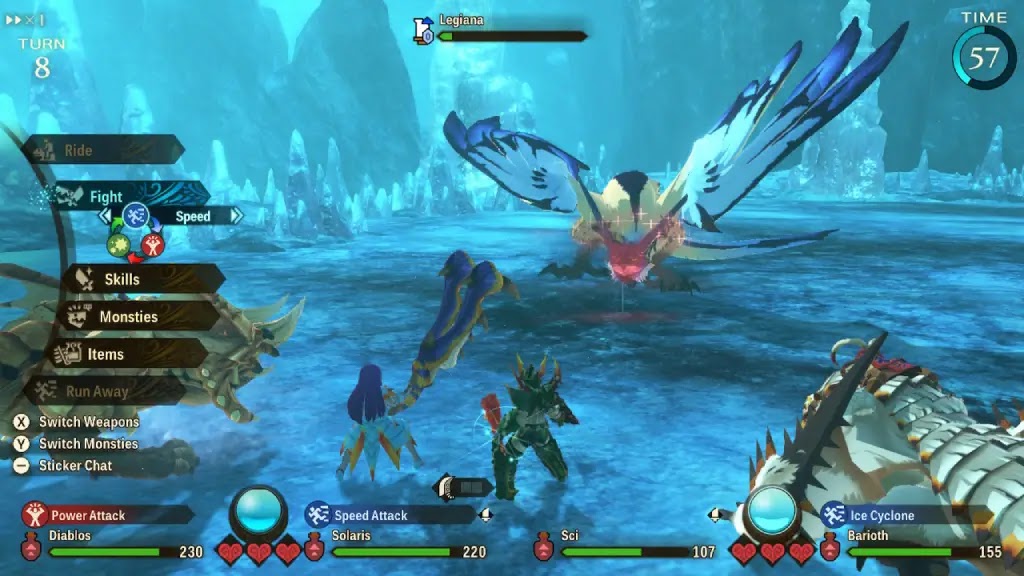
So now that we've gone over the breeding process, let's talk about the actual fights. As mentioned earlier, fights are turn based where you and your opponents choose attacks. This plays out fairly traditionally, but with a couple of neat aspects. First up is that you and your monster companion share three hearts. Each time one of you get knocked out you lose a heart. Lose all three and you get taken back to town. Combat itself is performed by selecting either an attack type or skill. Now, those of you familiar with monster hunter are probably aware of the three damage types: slash, pierce, and blunt. Enemies have different parts that can be broken, and each body part and monster will have different resistances and weaknesses to certain damage types.

Monsters will also have elemental affinities, both in attack and weakness. You can forge weapons and armour out of monsters to give skill effects and elements for combat. In addition to this, MHStories has a sort of rock-paper-scissors aspect in the form of: speed, tech, and power moves. If you and your opponent use a move and you use the type that beats it, you'll do more damage and they will do less. If both you and your monster use the same type of attack and beat your opponents attack, you use a combination move that deals heavy damage and cancels the opponents attack. As you and your monster attack, you build up a kinship gauge. This gauge allows you to use skills, command your monster, and when it's full you can ride your monster and unleash a devastating attack.

A very large aspect of MHS2 is being able to hit your enemies for damage types that they are weak to. There are six weapon types, and there are two each per damage type. Great Sword and Sword and Shield are slashing, Hunting Horn and Hammer are Blunt, and Bow and Gunlance are pierce. You can equip up to three weapons at once that can be used in battle. The weapons you bring along can be swapped between once per turn, just like your monsties (monster companions). These are free actions too, meaning you can swap monstie, swap weapon, and still attack in the same turn, but only once. Throughout the course of the game you may also have buddies assisting you in battle. You can combo with other riders monsties, and they can combo with yours. Fair warning though, while this does result in increased damage output, sometimes your ally AI can be really dumb. And I do mean REALLY dumb. Always attacking with the losing attack type, always using skills that aren't effective, attacking body parts that are resistant to the damage type. Hoo boy.

As you beat up the affronting creatures, you will collect with which you can forge weapons and armour. This gear can then be upgraded to do more damage or defense. You can also purchase some gear from the Melynx merchant for bottlecaps. These items can be found in everdens, through completing sidequests, and from participating in online multiplayer battles. Let me just say this: the multiplayer is surprisingly great. I tried out the multiplayer with a friend and fellow hunter, and managed to do some science, just for you guys and girls, so let me tell you about what I've learned. In multiplayer mode you can only bring three monsties along, and so can a friend. You have two option for multiplayer content: PvP and questing. PvP is pretty self explanatory, as you have to finish a rider battle before you unlock multiplayer. You can adjust the rules slightly, but it's pretty much the same fare. During your questing, you are generally tasked with defeating a monster or exploring a den.

The synchronization between the two players is really good with this. Once you and your friend are in, you can explore the area together or individually. If one of you enters a fight, a red circle will appear, and if the other player runs into the red circle, they will join the fight, even if that is halfway through the fight. Two handy facts we noticed: weakness is shared, and you can do your partners head to head for them. What I mean on the first point is that if you target an enemy with a damage type, the game will record whether the damage type is effective or not and show you when targeting. In multiplayer, your teammate can see the damage type ratings you reveal and vice versa. The head to head are sort of like mini commands, such as mashing the A button. In multiplayer you can give input as well as your friend. Not sure if this is intended or not, but right now it's a thing. The game will also tell you what moves your buddy is using, helping you to adjust your strategy. Once you and your buddy have reached a nest, you can harvest an egg. Neat fact, you can see each others eggs. Once one, or both, of you have finished the quest requirements, you are returned to the quest board.

In true monster hunter tradition, the soundtrack is amazing again. Never have I been disappointed in a Monster Hunter soundtrack, and I don't think I ever will be. The area and village themes are both thematic and well orchestra'ed, and the battle themes get you pumped up for a fight. The graphics are also a really fitting style, as the game focuses more on riding sized monsters instead of the murderous beasts of the main franchise, opting for a bit of a softer tone maybe, but one that fits the style and narrative quite well.

Before wrapping up, I'd also like to go over a few miscellaneous notes that I've picked up on through my play time. The main game is fairly lengthy, as I was sitting at about 63 hours of play time. We'll start with the positive notes. There is also the post game content to consider as well, making MHS2 a fairly lengthy game. There are tons of available monsters in the game, with over 80 as a base that you can ride. There are plenty to get, train, and find the ones you like the best. Everdens, which will probably be a big source of bottlecaps, will be labeled as "cleared den" on the map when you have opened all the chests in them. The kinship skills are usually quite cool, and I really enjoyed watching all of them, although the subspecies don't really get a new skill.

The rock-paper-scissors format, while usually overdone and a little basic, fit really well in this case when coupled with both the damage types and elemental affinities. It added that depth that simple rock-paper-scissors style combat doesn't normally afford, making combat feel a lot smoother and more enjoyable. If you are high enough level, you can also quick kill enemies when you get in a fight, provided you have beaten them at least once before. This is great for farming materials for weapons and armor. Since you will be constantly getting new eggs, the developers have also introduced a system where any monster in your party under your player level gets bonus exp until they hit your level. The amount varies depending on level difference, but this makes it incredibly easier to train a new monster late game up to equivalent level.

This great title isn't without its faults however. First and foremost, the ally AI tends to be unconscionably stupid. It's…manageable to an extent but sometimes it was migraine inducing how dumb it can be. The field monster collision hitboxes are way too small for monster size, which really broke the immersion for me something fierce. Monsters will have a typing, and will tend to obey that typing. I.e. a Tigrex is a speed monster, and should usually use speed moves. Unfortunately the game has occasional droughts of certain typings. Nominally speed types early game and tech types later. Tons of power types though. You also have a silent ish protagonist, relegating all your decisions to Navirou, a rather annoying Felyne who speaks for you, even if undesired. My biggest gripe may be the amount of reused assets though. Every non major area is a combination of the same rooms just mashed into a larger zone. You will notice this really fast, and it made me significantly less inclined to explore anything, had there not been new randomly generated chests in the dens each time.

As some non attributed asides, there are a few hidden aspects the game doesn't particularly tell you, like surviving at 1 HP if riding and taking enough damage to knock out. At least I don't recall it mentioning that. Also. the ritual option under channeling appears locked but it isn't. The explanation of Navirou's "egg appraisal" is also fairly vague. Since your character is custom created, the developers though it would be good to make flashback scenes of your grandpa have the same eyes. This can lead to some hilarious moments.

Summary

Overall, I have to say that Monster Hunter Stories 2: Wings of Ruin of a wonderful experience. With a well done battle system, plenty of monsters to collect, tons of gear to make, and some great music to match, there's not a lot to complain about. The multiplayer is extremely well put together for a turn-based system, and there were a bunch of little aspects, like unique egg coloring and the ability to see what other coop players eggs are that show just how much attention went in to the title.

While it may suffer from some reused assets and questionable AI choices, most complaints are fairly surface level in nature. Monster Hunter Stories 2: Wings of Ruin shouldn't be treated as "just a spin-off", but has earned a right to its place amongst the powerhouses of the franchise.

Score: 9.5 / 10



Share:

Random posts

Our Streamers

Susan "Jagtress" N.


S.M. Carrière

Aldren


Affiliates

JenEricDesigns – Coffee that ships to the US and Canada

JenEricDesigns – Coffee that ships to the US and Canada
Light, Medium and Dark Roast Coffee available.

Blog Archive

Labels